Moya Zvezda (My Star)
Sochi
A signature restaurant by Arkady Novikov on Olimpiysky Prospekt — located on the first coastline with a breathtaking sea view. Six halls of varying capacity (from 20 to 350 guests), a bright interior with abundant wood and live greenery, and a unique enoteca with an exclusive collection of Russian wines. The menu offers home-style cuisine from around the world, from oysters and pâté to steaks, crab pasta, and beef stroganoff with mushrooms.
Voskhod
Moscow
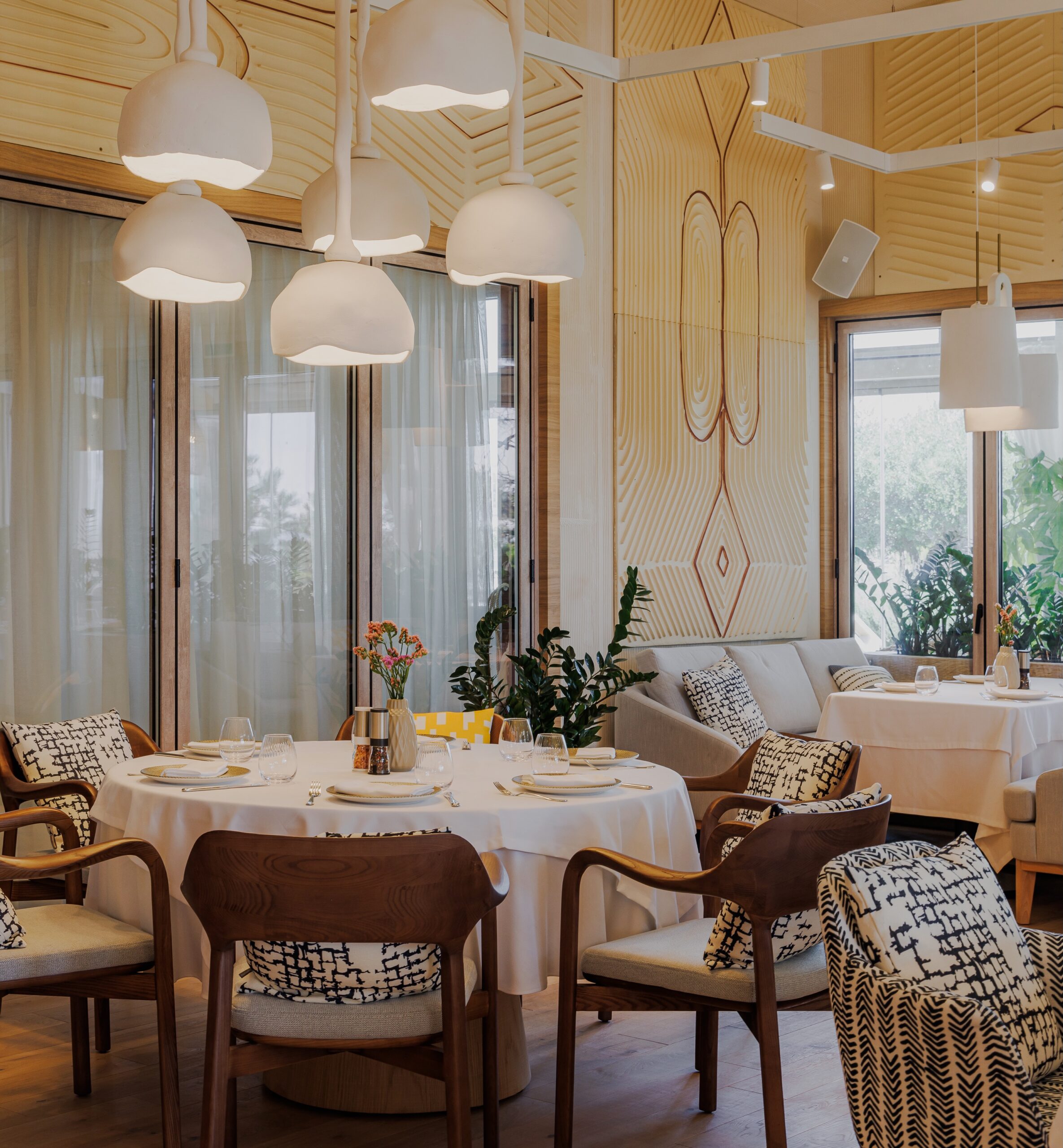
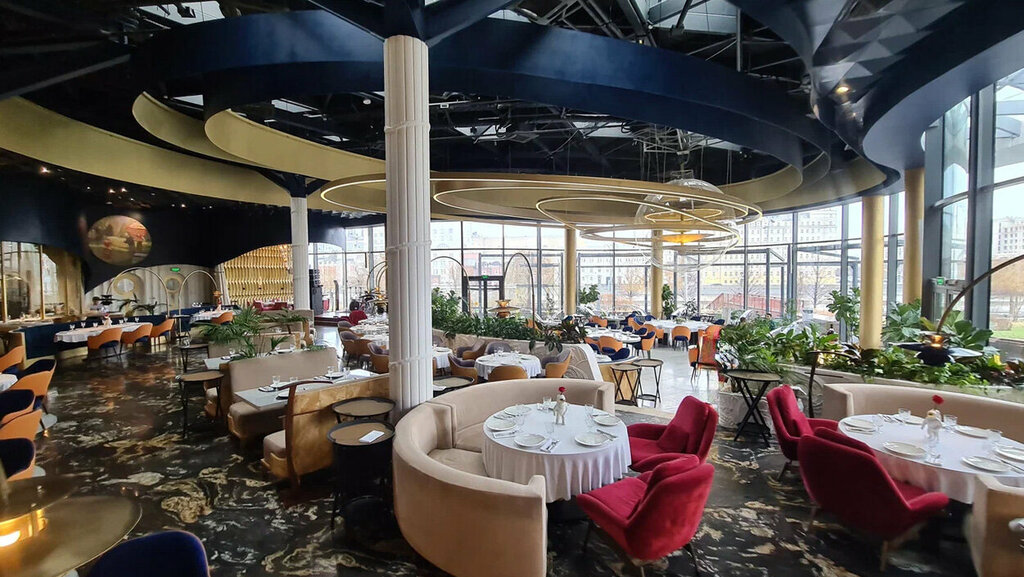
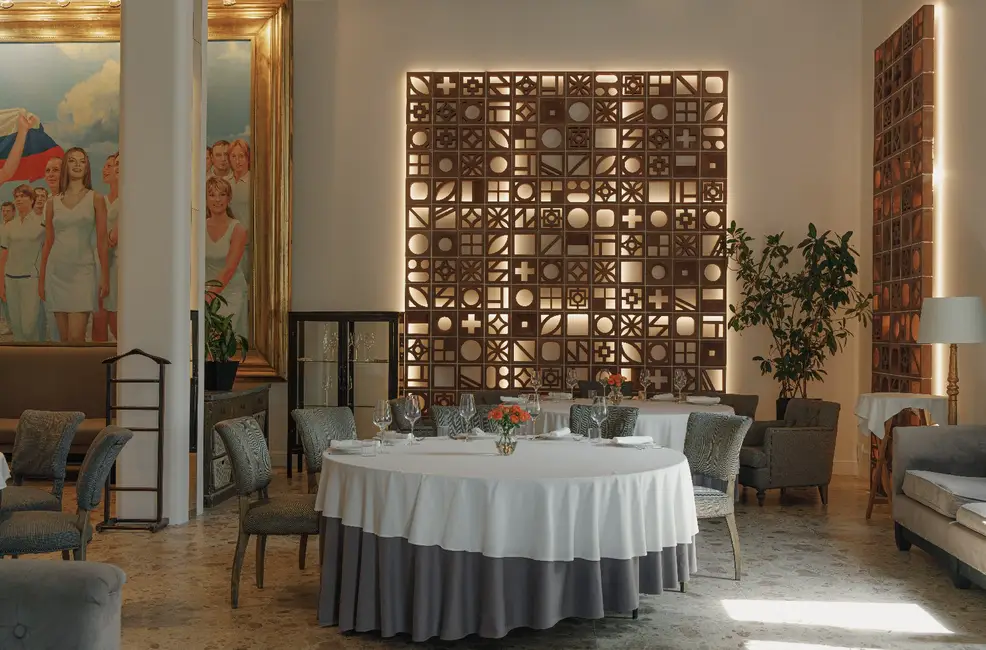
A restaurant in Zaryadye Park, in the very heart of Moscow, where nostalgia for the Soviet past meets a futuristic vision of the future. The interior is designed in a neo-futuristic «cosmic» style: floating flowerpots, vases with red carnations, bas-reliefs of workers and collective farm women, while the ceiling evokes the legendary Kosmos restaurant at the Rossiya Hotel. The kitchen presents a panorama of the cuisines of the peoples of the USSR, united into a single universe of modern Russian cuisine. A place where imperial grandeur and socialist abundance are transformed into a nostalgic fantasy of a great country.
Dom Rossiyskoy Kukhni (House of Russian Cuisine)
Moscow
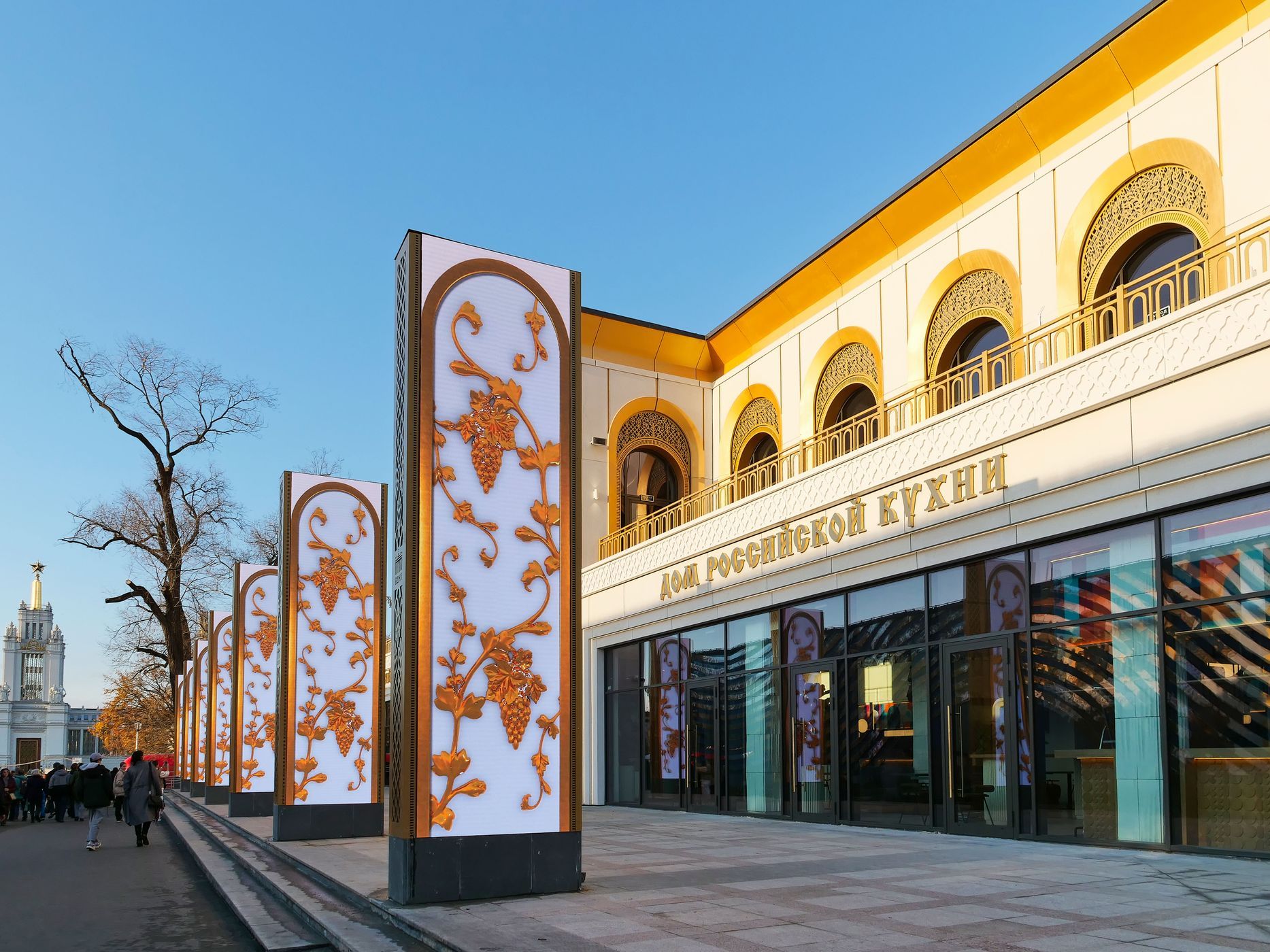
A food hall on the VDNKh grounds. 15 counters of regional cuisine from Kamchatka to Kaliningrad under one roof, cooking masterclasses and tastings throughout the day. A rare format: the gastronomy that usually takes a month of travel across the country — covered in a single lunch.
Mamai-Cale
Sochi
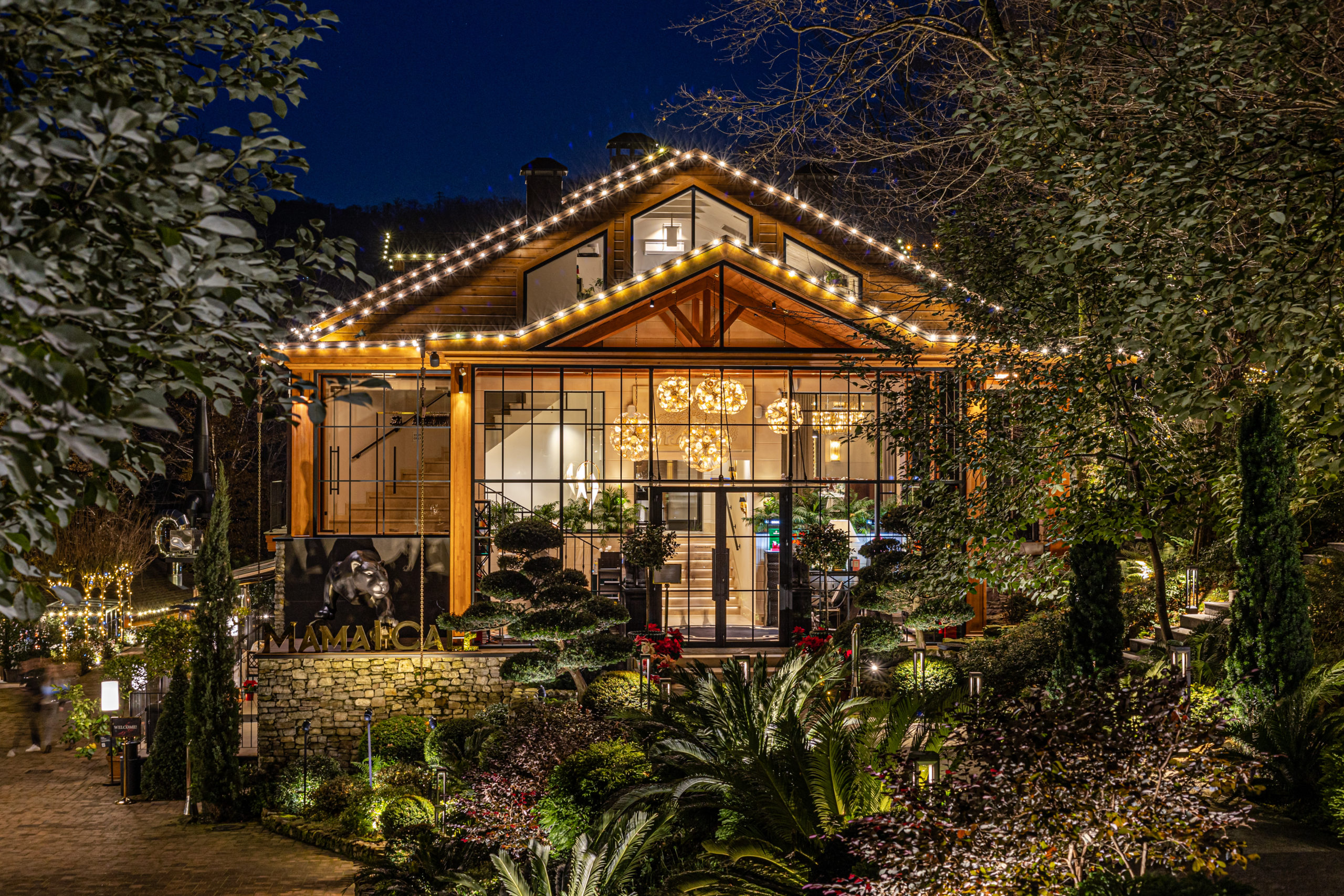
A premium restaurant in the heart of Sochi National Park, where a mountain stream winds through century-old trees and a Tuscan garden. The interiors blend British neoclassicism with copper and leather, while the menu honours Russian culinary traditions — from hearty forest mushroom soups and slow-cooked game stews to dumplings with wild berries. House-pickled vegetables, homemade sour cream, and local herbs bring authentic country flavours to every dish. The wine collection is praised by Wine Spectator, and the open terrace cinema-bar screens films under the Caucasus forest canopy.
White rabbit
Moscow
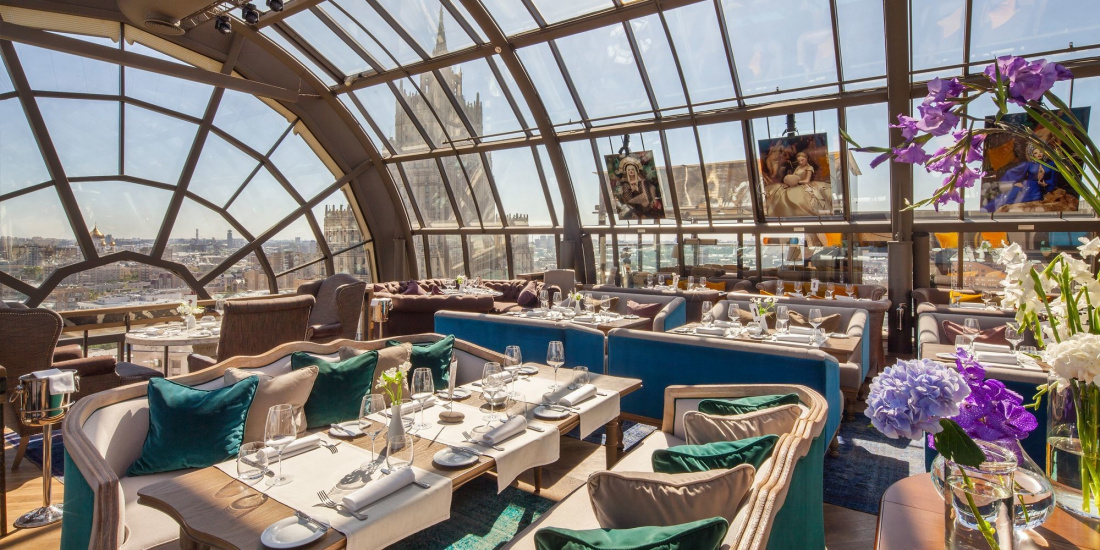
One of Moscow’s most celebrated fine dining restaurants, famous for its panoramic city views and innovative interpretation of Russian cuisine. Chef Vladimir Mukhin has made White Rabbit an international gastronomic landmark.
Strana, kotoroi net (The Country That Doesn’t Exist)
Moscow
A nostalgic restaurant by Arkady Novikov, whose menu harmoniously combines the hits of Soviet cuisines, creating a kind of retro-fusion. You feel as if you are in a real Soviet restaurant: kutabs and khachapuri, varenyky and pelmeni, crab cutlets (a signature of Novikov’s establishments) and chicken schnitzel.
Modus
Sochi
A luxurious restaurant in the heart of Russia’s Olympic heritage, surrounded by greenery, at the intersection of the Formula 1 track and the Ice Cube. Spacious halls (up to 100 seats) and a summer terrace allow for events of any format — from business dinners to wedding banquets. The kitchen serves European, Italian, and Japanese cuisine. A place where contemporary architecture, signature cuisine, and high-level service create the perfect atmosphere for events of the highest calibre.
Café Pushkin
Moscow
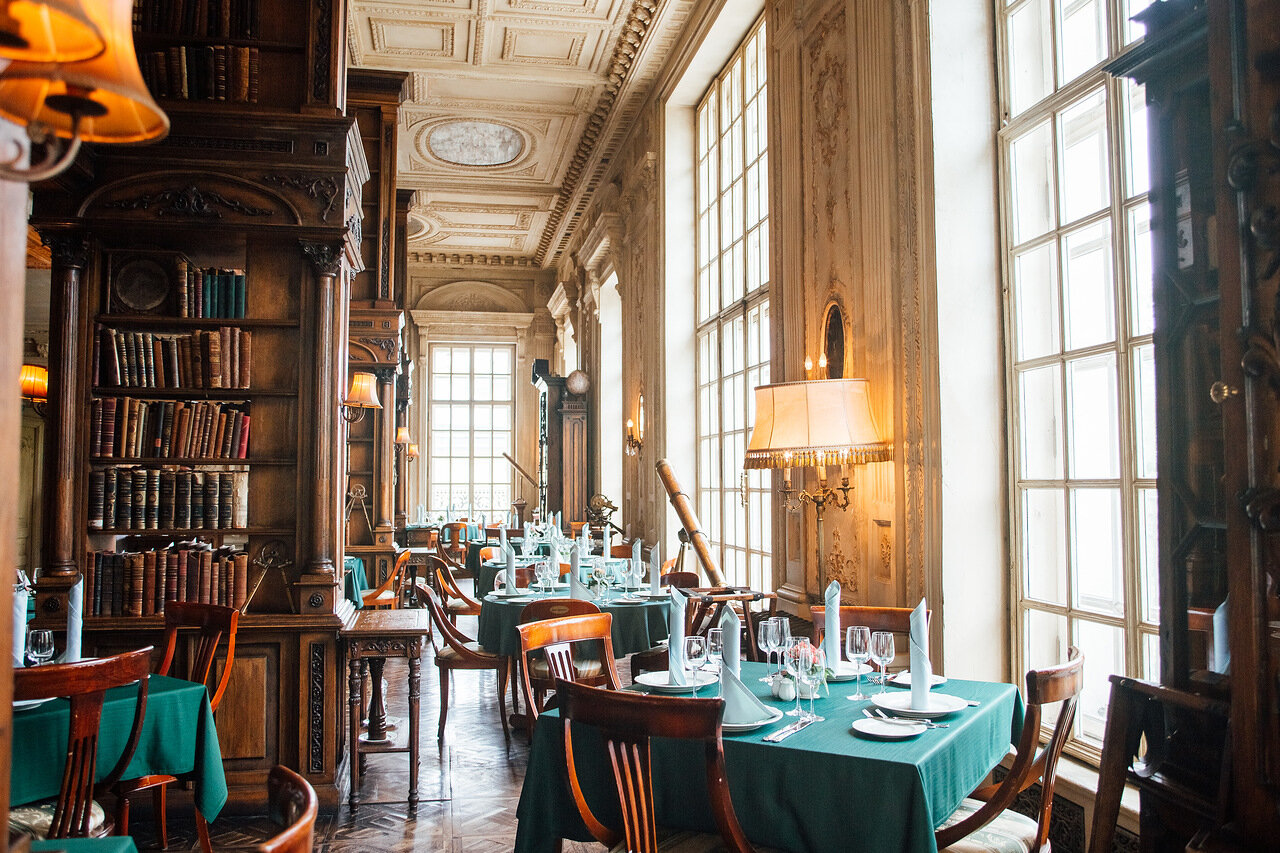
One of Moscow’s most iconic restaurants, Café Pushkin recreates the atmosphere of a 19th-century aristocratic mansion. It is renowned for classic Russian cuisine served in beautifully preserved historic interiors.

Portions: 10-12