Voskhod
Moscow
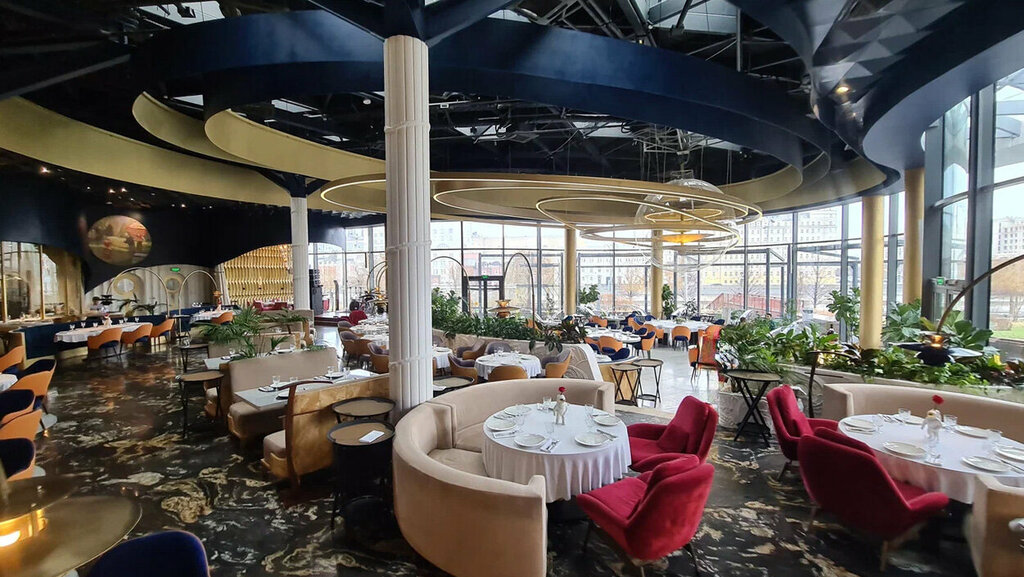
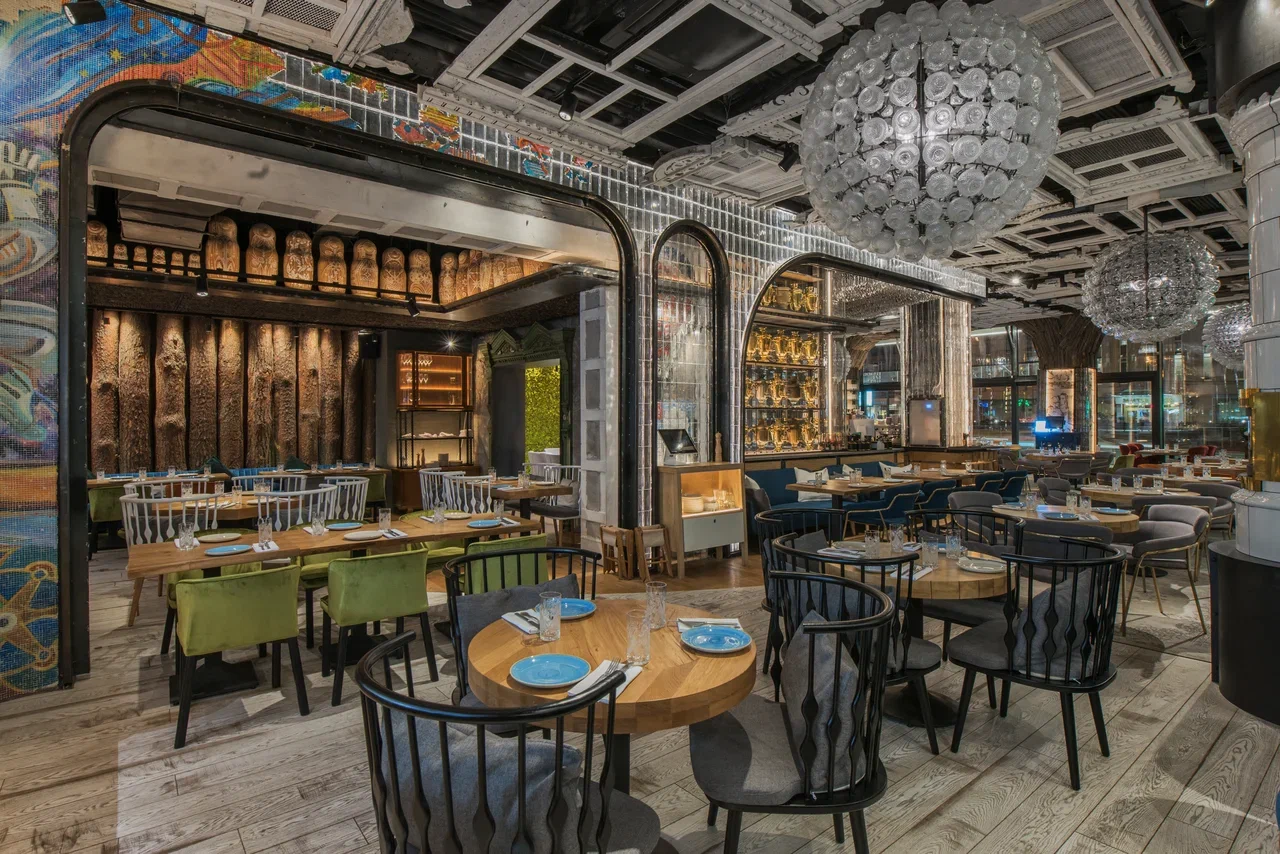
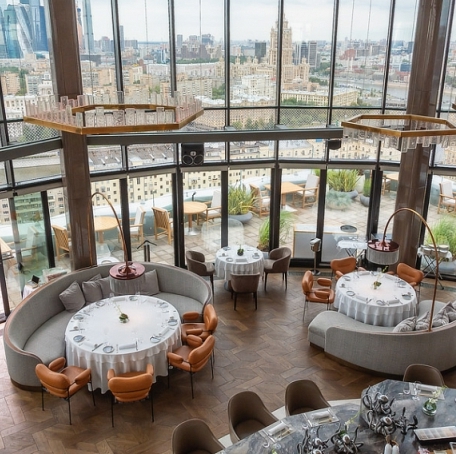
A restaurant in Zaryadye Park, in the very heart of Moscow, where nostalgia for the Soviet past meets a futuristic vision of the future. The interior is designed in a neo-futuristic «cosmic» style: floating flowerpots, vases with red carnations, bas-reliefs of workers and collective farm women, while the ceiling evokes the legendary Kosmos restaurant at the Rossiya Hotel. The kitchen presents a panorama of the cuisines of the peoples of the USSR, united into a single universe of modern Russian cuisine. A place where imperial grandeur and socialist abundance are transformed into a nostalgic fantasy of a great country.
Co–Co Chalet
Sochi
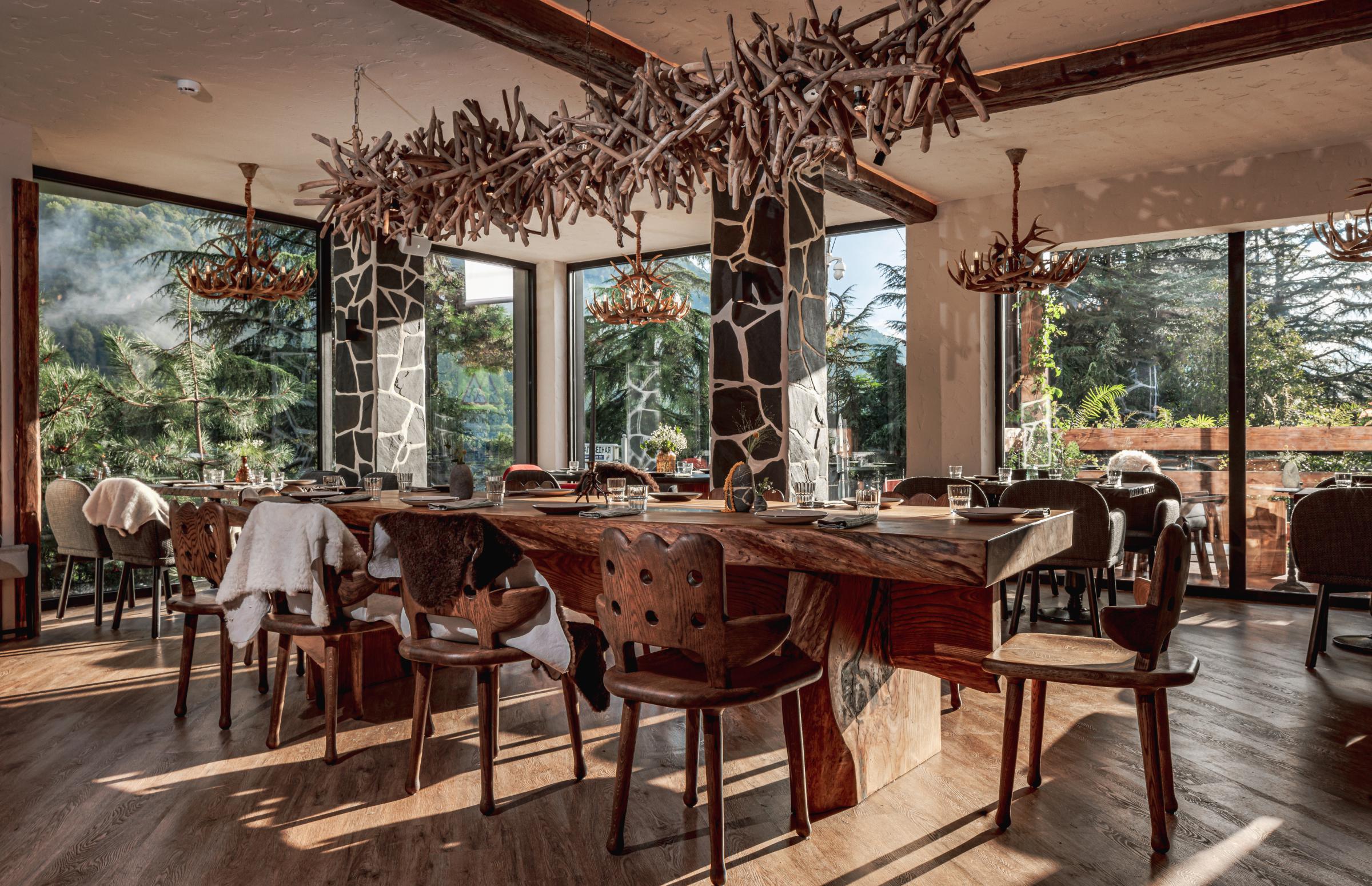
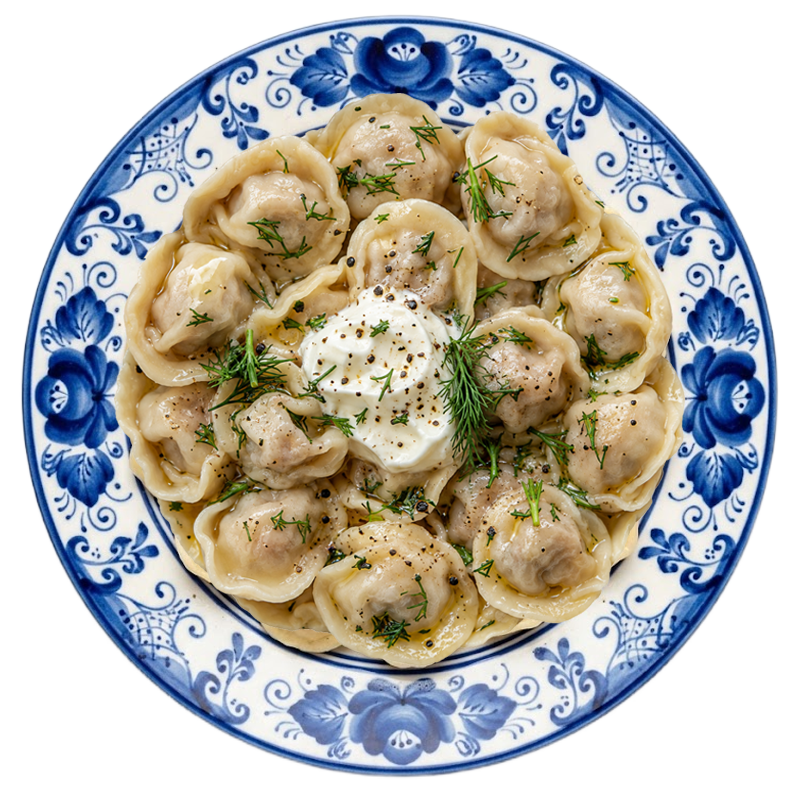
An après-ski destination in Krasnaya Polyana, housed in a Swiss-style chalet with panoramic mountain views. Here, Russian cuisine meets alpine comfort: traditional buckwheat porridge with forest mushrooms, pelmeni in rich broth, and baked carp with sour cream sit alongside European favourites. The menu also features hot meat and fish dishes from the grill, hearty pies, and homemade nalistniki (crepes) with berry jams. A fireplace, exposed beams, and a terrace overlooking Rosa Khutor’s illuminated peaks complete the alpine experience.
Uhvat
Moscow
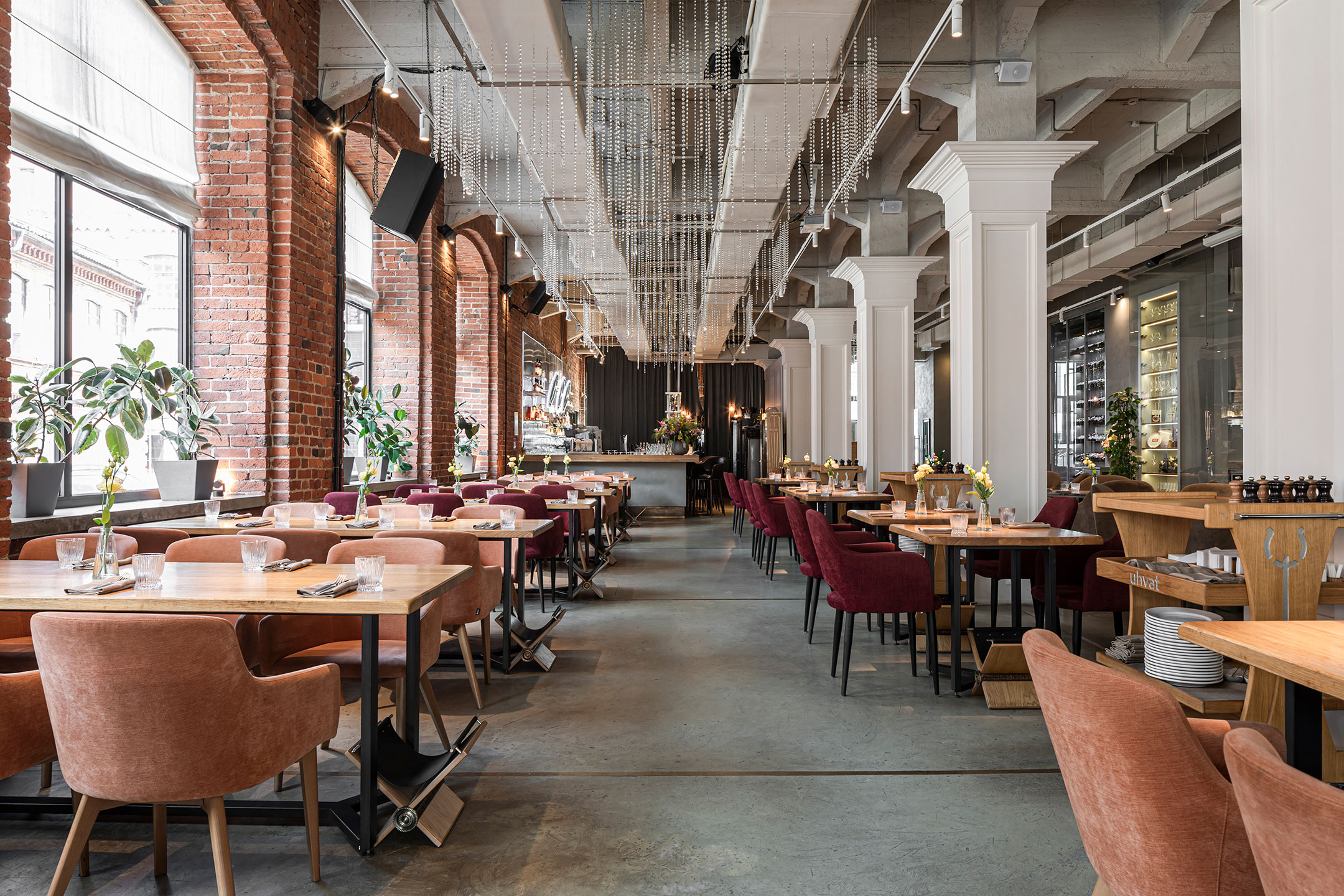
A contemporary restaurant inspired by traditional Russian oven cooking, where many dishes are prepared using classic slow-cooking techniques. The menu celebrates authentic Russian flavors with a modern presentation.
Aquamarine
Moscow
A restaurant by Novikov Group — one of Russia’s largest restaurant groups, with venues in London, Dubai, and Miami. Quality is watched closely here: Novikov Group does not open careless places. A good spot to try Russian classics: beef dumplings, cherry varenyky, beef stroganoff with mashed potato.
White rabbit
Moscow
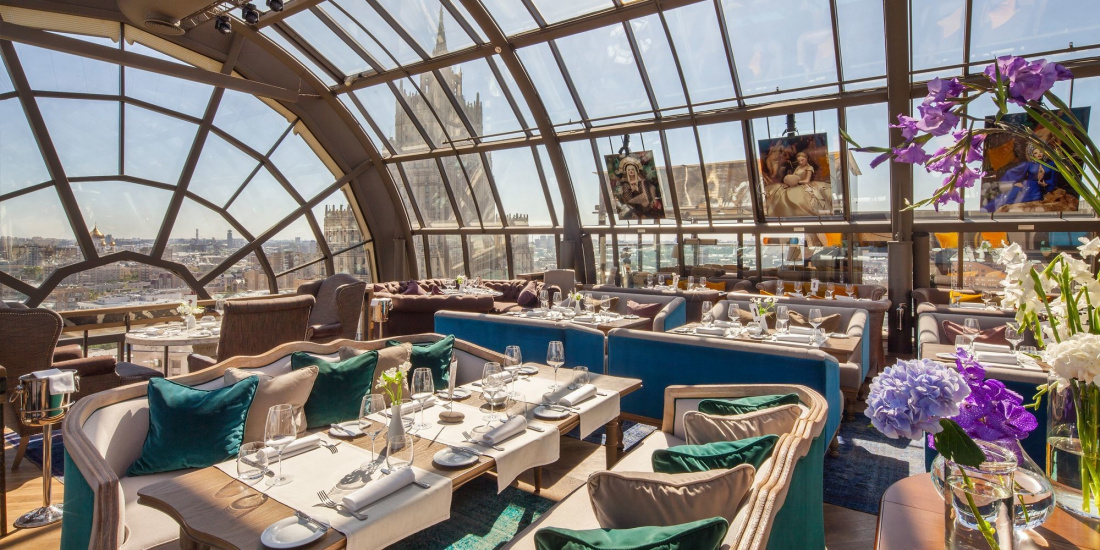
One of Moscow’s most celebrated fine dining restaurants, famous for its panoramic city views and innovative interpretation of Russian cuisine. Chef Vladimir Mukhin has made White Rabbit an international gastronomic landmark.
Millionka
Vladivostok
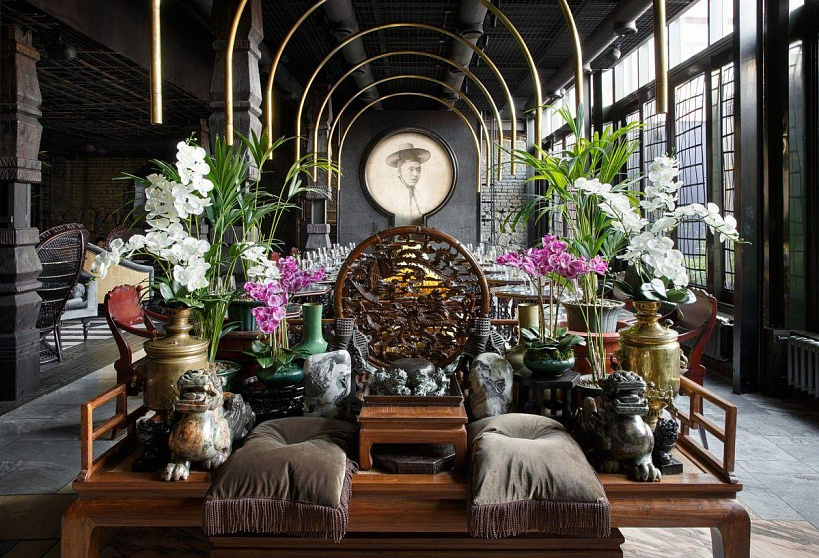
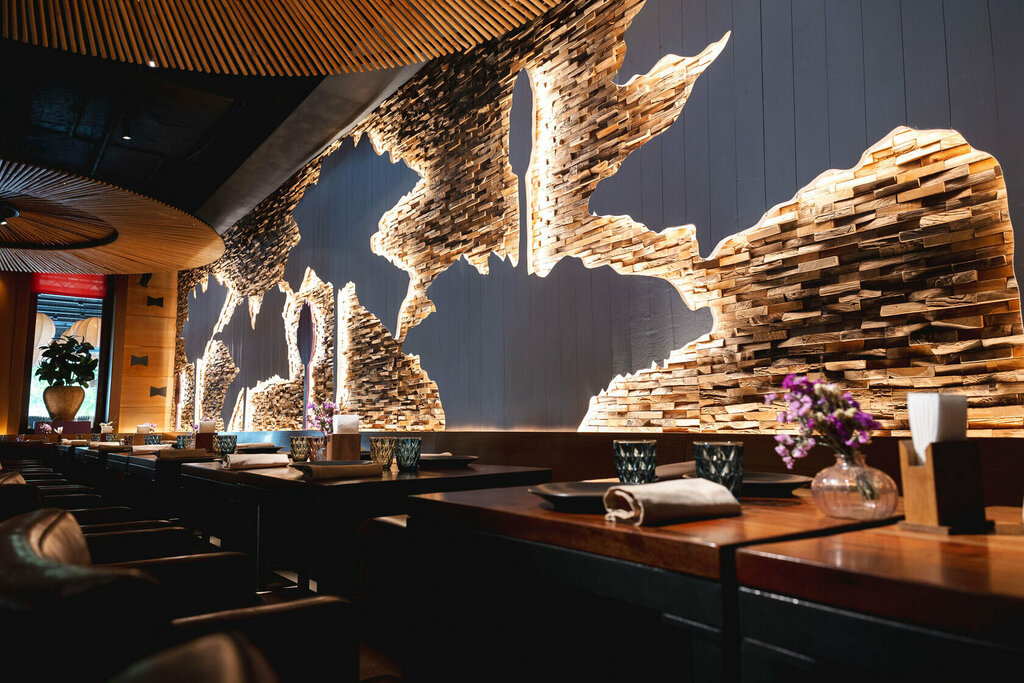
A Chinese-Russian fusion restaurant set within the historic Millionka quarter, styled in chinoiserie decor with hand-carved lacquered furniture, and known for a 250-plus label wine list recognized by the Russian Wine Awards.
CDL (Central House of Writers)
Moscow
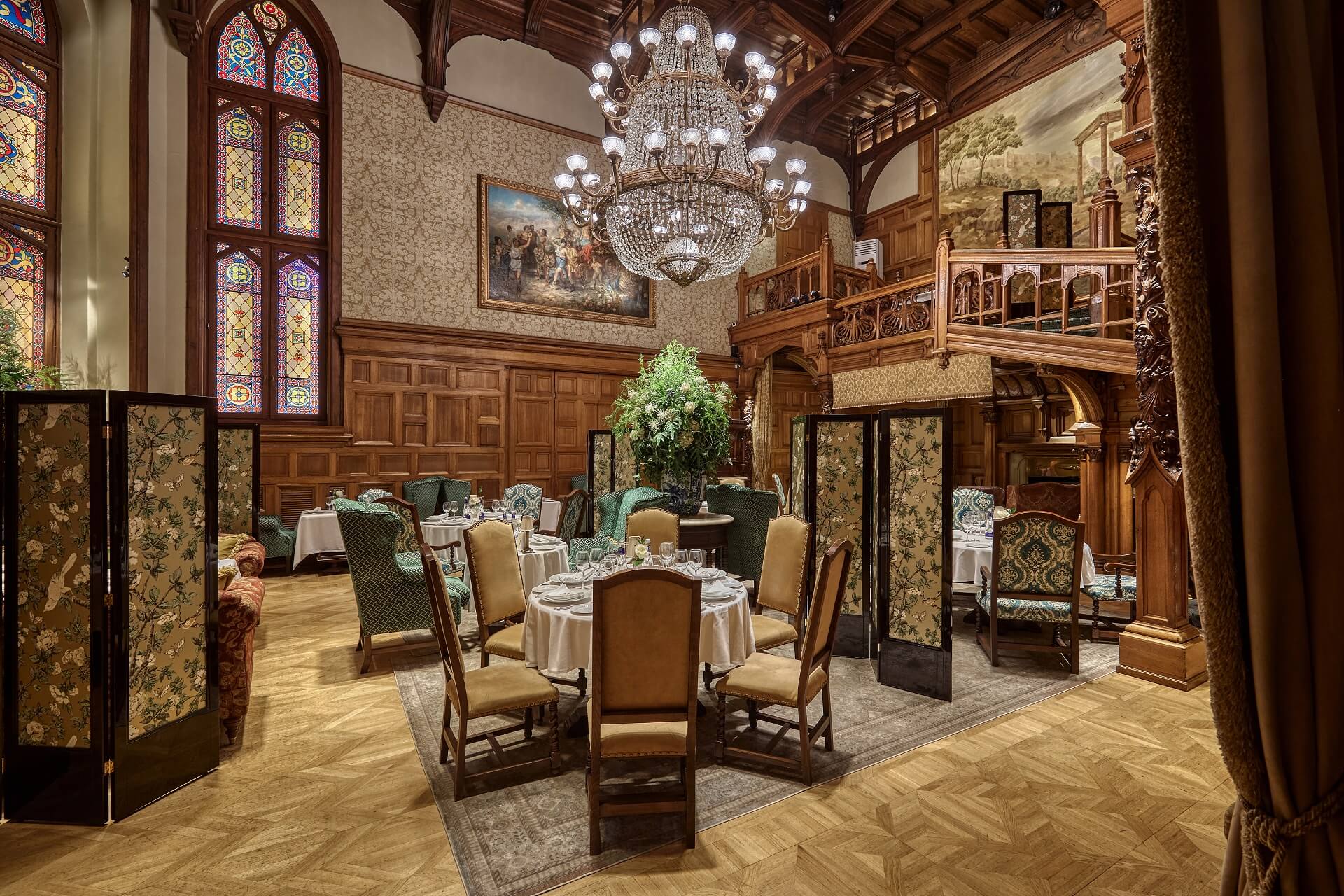
A grand restaurant at the Central House of Writers on Povarskaya Street — a historical, architectural, and gastronomic landmark of the city. The kitchen serves lavish Russian cuisine, sometimes in an author’s interpretation by Chef Fyodor Verin. Classic beef stroganoff or Pozharsky cutlets sit harmoniously alongside sorrel shchi with pastrami.
#SiberiaSiberia
Moscow
A restaurant at the Azimut Hotel on Smolenskaya Street, where Siberia is assembled from specific products and dishes: stroganina made from muksun and sturgeon, pelmeni, salted mushrooms, venison, river fish, game, and wild Siberian herbs. The chef is Evgeny Kuznetsov, and most suppliers are Siberian producers.
Strana, kotoroi net (The Country That Doesn’t Exist)
Moscow
A nostalgic restaurant by Arkady Novikov, whose menu harmoniously combines the hits of Soviet cuisines, creating a kind of retro-fusion. You feel as if you are in a real Soviet restaurant: kutabs and khachapuri, varenyky and pelmeni, crab cutlets (a signature of Novikov’s establishments) and chicken schnitzel.
Oblomov
Moscow
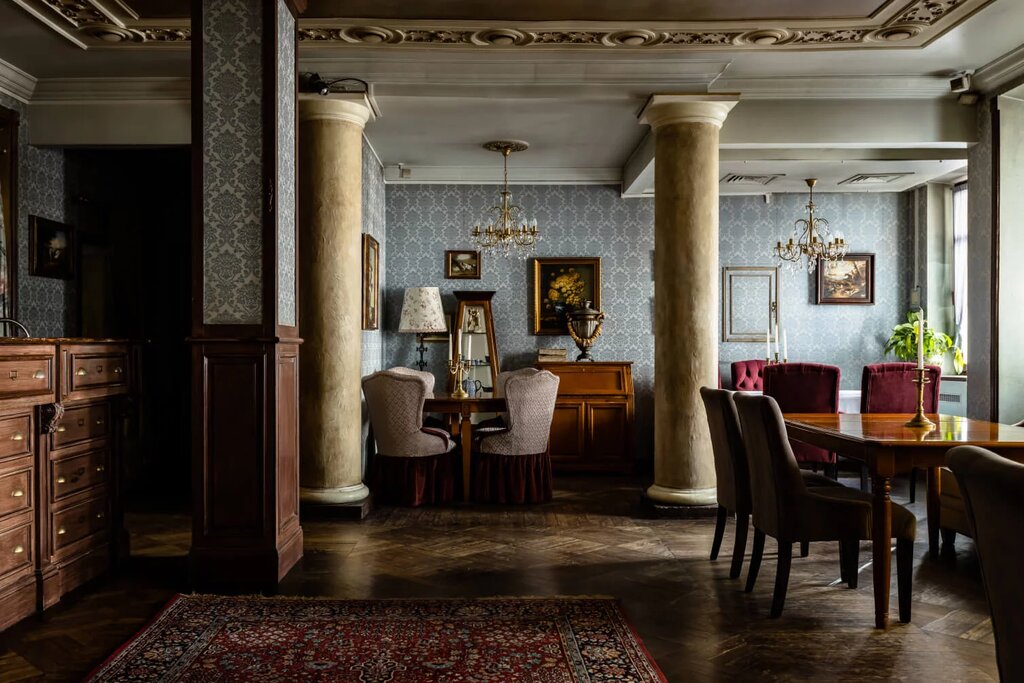
Housed in a restored 19th-century mansion, Oblomov specializes in traditional Russian home-style cuisine prepared with premium ingredients. Its cozy atmosphere offers a glimpse into old Moscow hospitality.
Moskovskoe Nebo (Moscow Sky)
Moscow
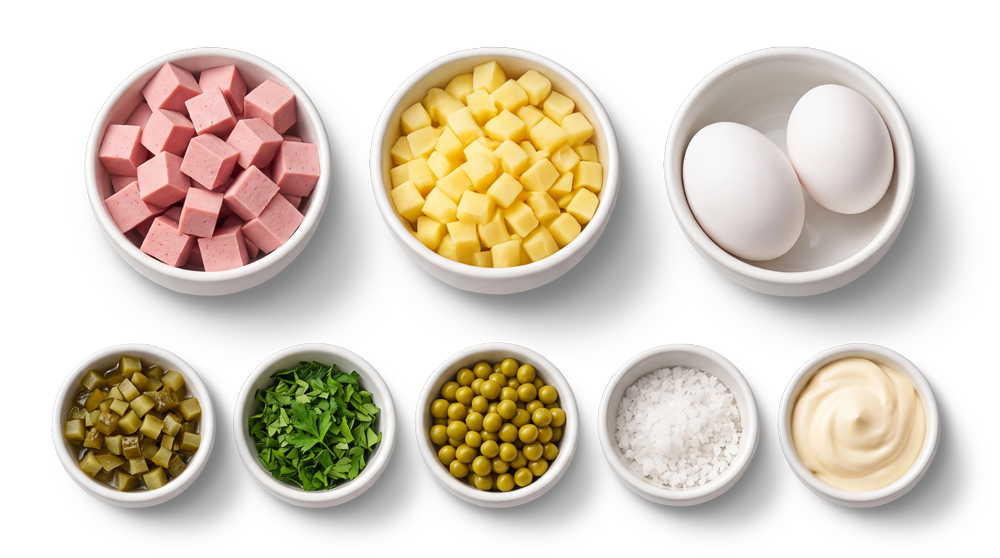
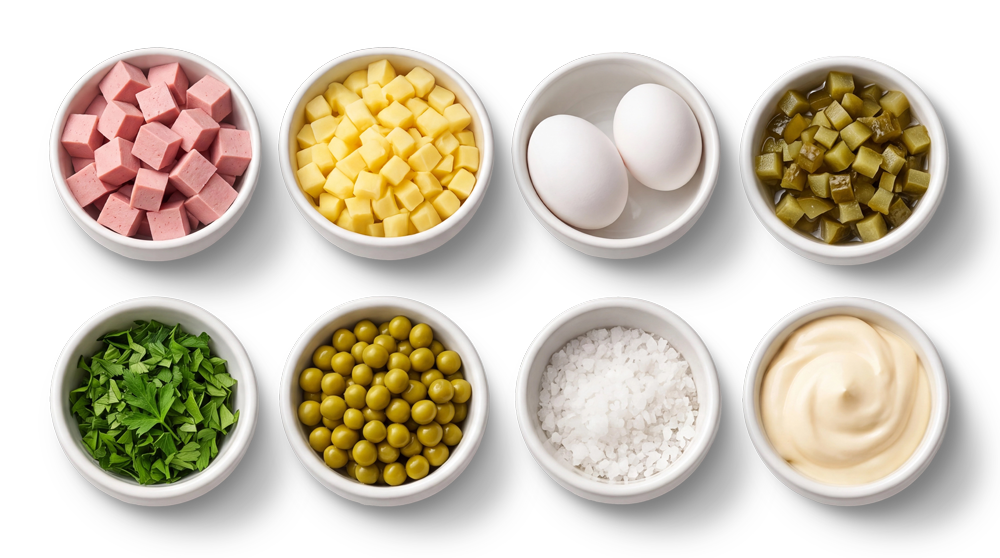
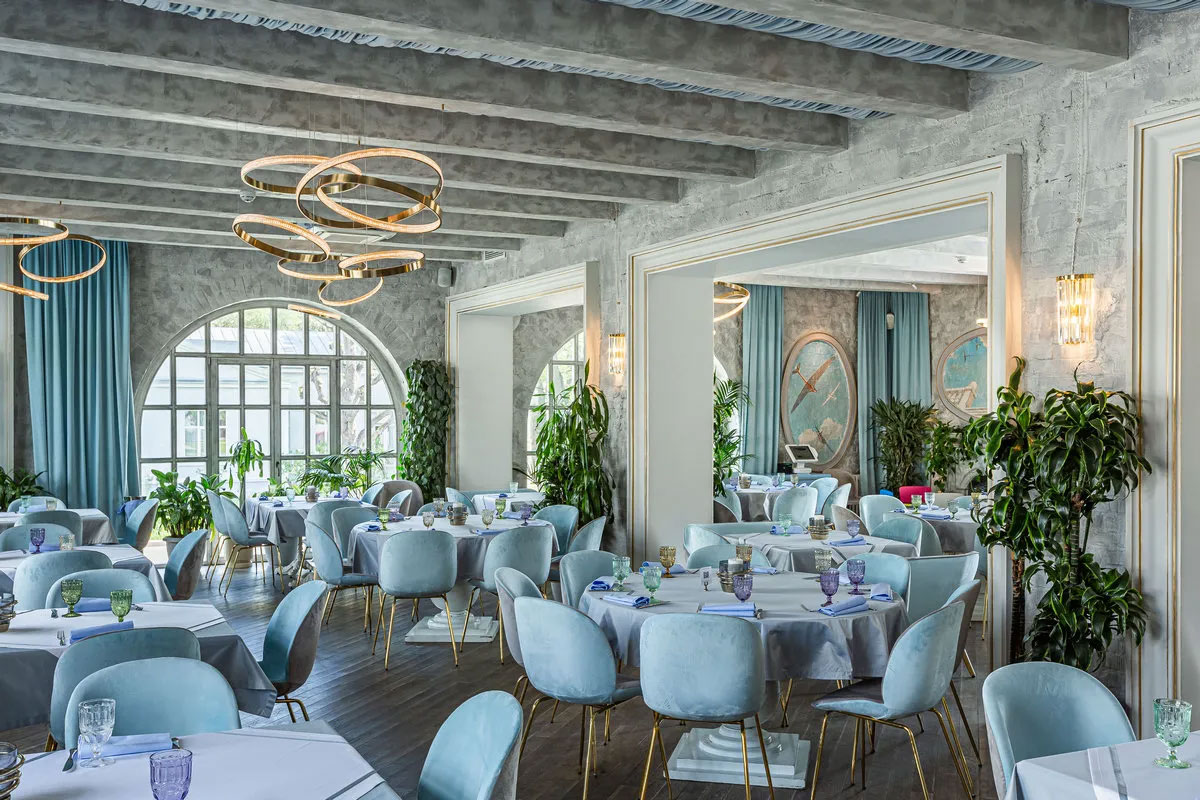
A restaurant inside a historic VDNKh pavilion. Soviet cuisine in a contemporary reading. The interior: white halls, pale blue textile draped from the ceiling, socialist realist frescoes on the walls. Pike cutlets, Olivier salad with beef pastrami. Familiar names, unexpected contents — that is exactly how this place works.
Matryoshka
Moscow
Matryoshka offers traditional Russian cuisine inspired by recipes from the late 19th and early 20th centuries. Set on the banks of the Moskva River, it combines elegant interiors with authentic flavors.
Tugan Avylym
Kazan
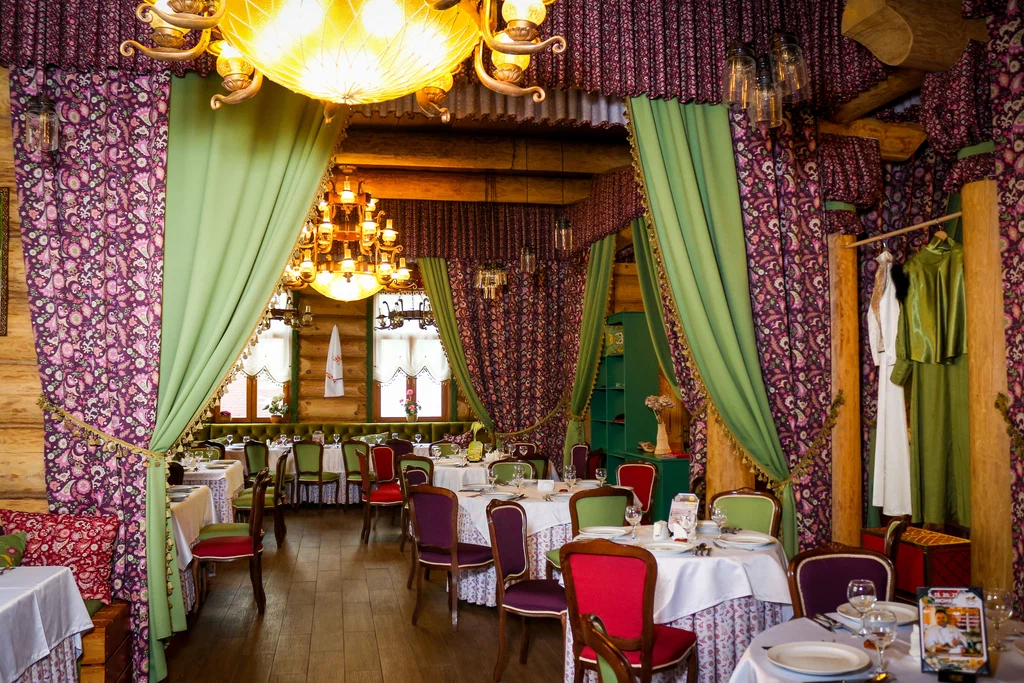
Set within a charming complex styled as a traditional Tatar village, Tugan Avylym offers an immersive introduction to the region’s cuisine and culture. Classic national dishes, wooden architecture, and authentic interiors create one of Kazan’s most distinctive dining experiences.
SAVOY
Moscow
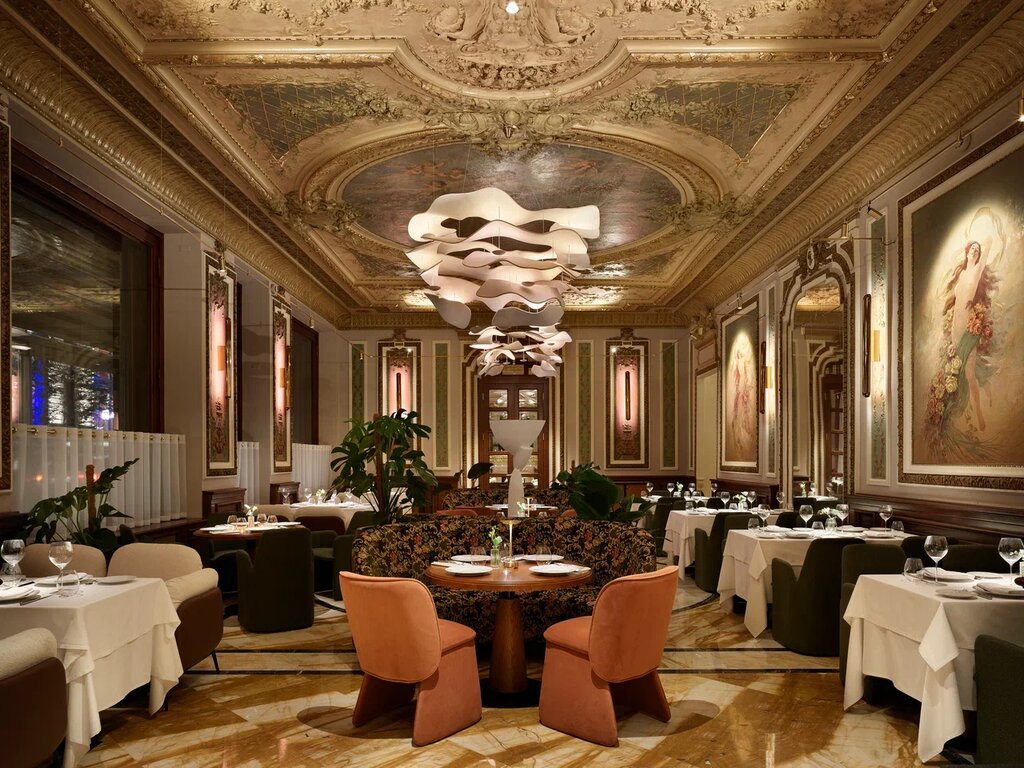
Opened in 1913, Savoy is one of Moscow’s oldest luxury restaurants, famous for its Art Nouveau interiors and historic atmosphere. The menu combines Russian classics with European fine dining.
Mari Vanna
Moscow
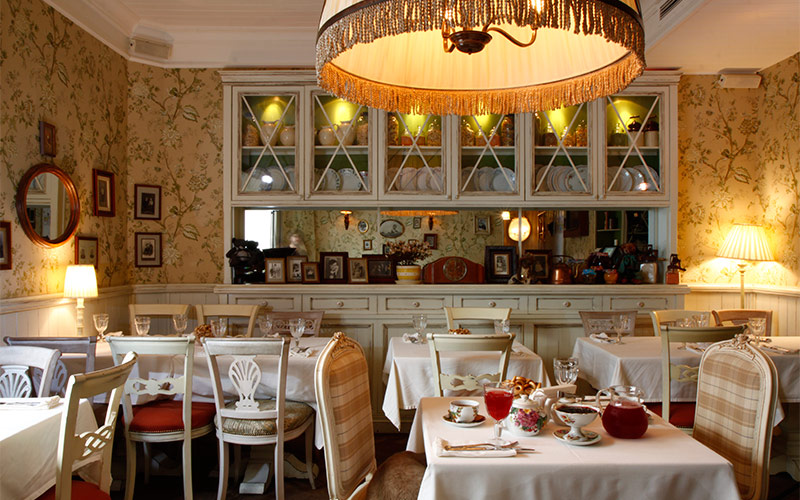
Authentic Soviet cuisine in excellent execution: famous salads like Olivier, herring under a fur coat, and mimosa; borscht, pirozhki, and of course, vodka — without which Soviet cuisine would not be complete.
Bar “The Legendary Bear”
Saint-Petersburg
This is where, in 1906, St. Petersburg locals first saw a bar counter, ice-cold cocktails, and decided: we need this. The historic interiors have been restored down to the smallest detail — antique clocks, vintage silverware, barmen in white jackets. Choose from cocktails made according to those very same recipes, and pair them with rastegai pies and crab-stuffed golubtsy. «My soul feels lighter» — a guest’s review from over a century ago that still holds true today.
Tsarskaya Rymochnaya
Moscow
A casual restaurant-and-vodka-bar on Novinsky Boulevard, working with Russian cuisine and traditional beverages, slightly reimagined by the local bartenders. The menu features borscht, pickles, roasts, and other familiar home-style comforts for everyday dining.
Ruski
Moscow
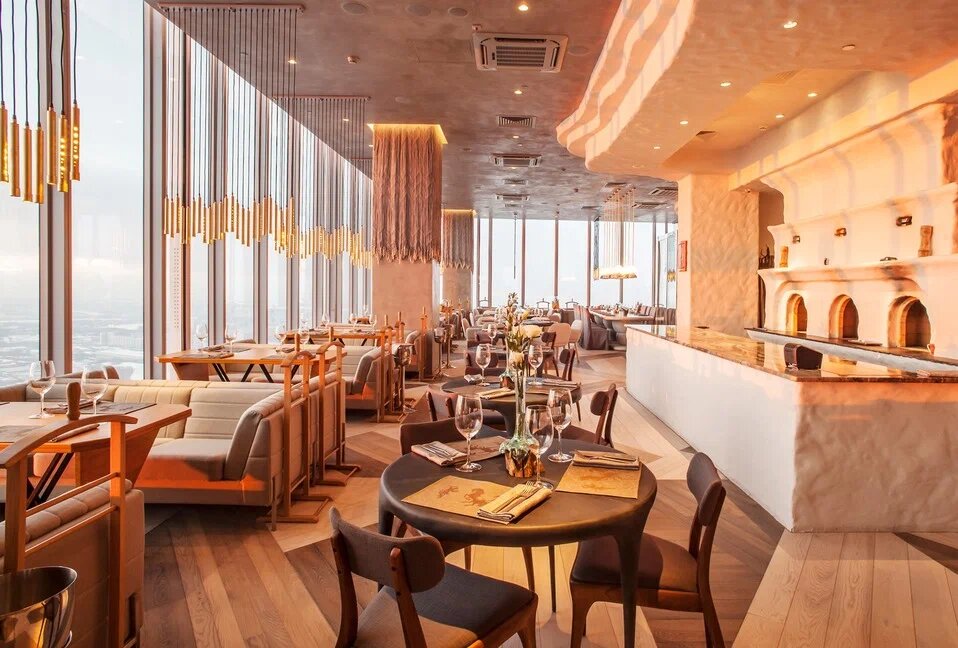
On the 85th floor of OKO Tower stands a Russian wood-fired oven. Eight meters of whitewashed clay — inside a skyscraper, above the city. The panoramic restaurant Ruski — Europe’s highest restaurant — builds its menu around it: venison dumplings, Volga fish pies, slow-cooked cabbage soup. The entire floor is floor-to-ceiling glass — the city below, the sky alongside. Next door: Ice Bar at −15°C, real fur coats, beluga caviar, a bar counter carved from ice blocks — the world’s highest ice bar. The cold is real. So is the caviar.
Shalyapin
Moscow
A refined cocktail bar at the Metropol Hotel in Teatralny Proyezd. Beyond its intricate drink menu, you can often find guest shifts and alcohol sets by touring stars. The experience is enhanced by a cultural programme: occasionally, you can catch live performances on a Bechstein grand piano, vinyl DJ sets, or immersive theatrical productions.
Sakhalin
Moscow
Russian and, in part, Soviet cuisine — in small portions, but with the addition of perfect seafood, brought here mainly from Russian seas.