SAVOY
Moscow
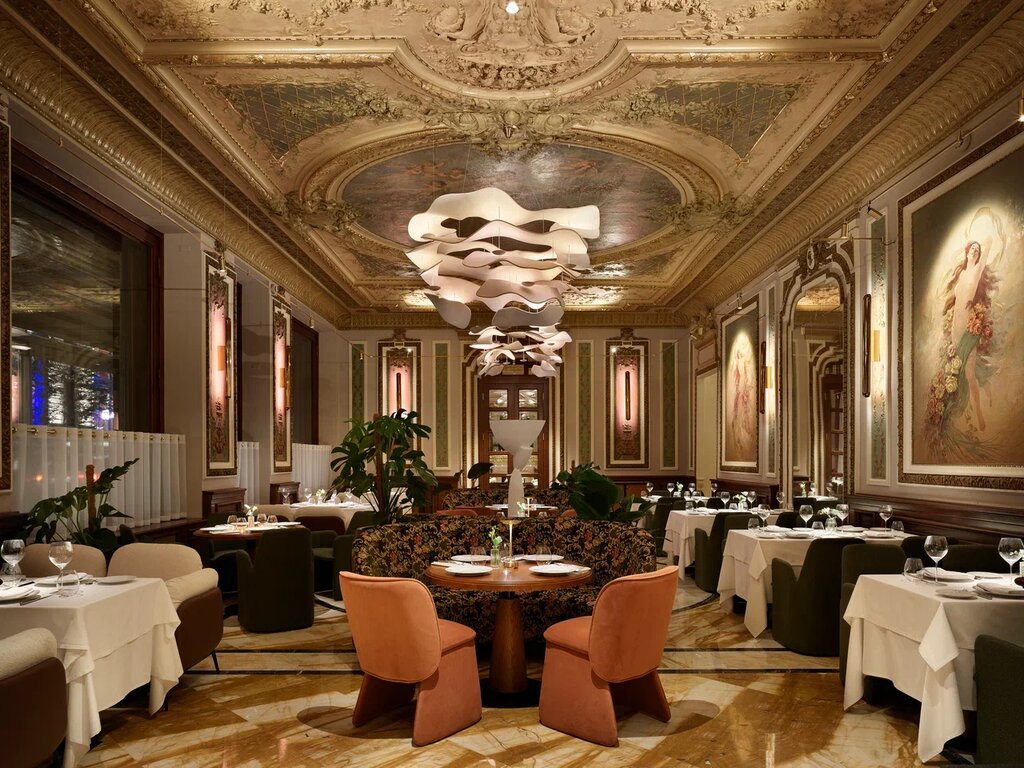
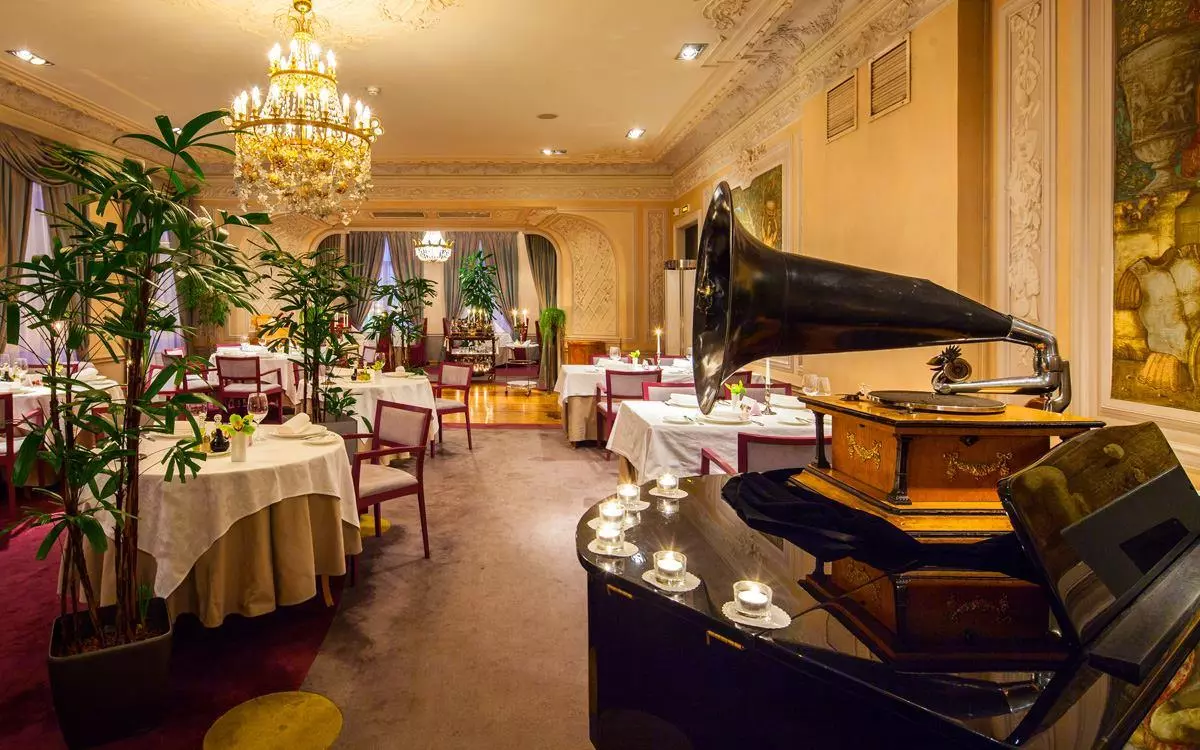
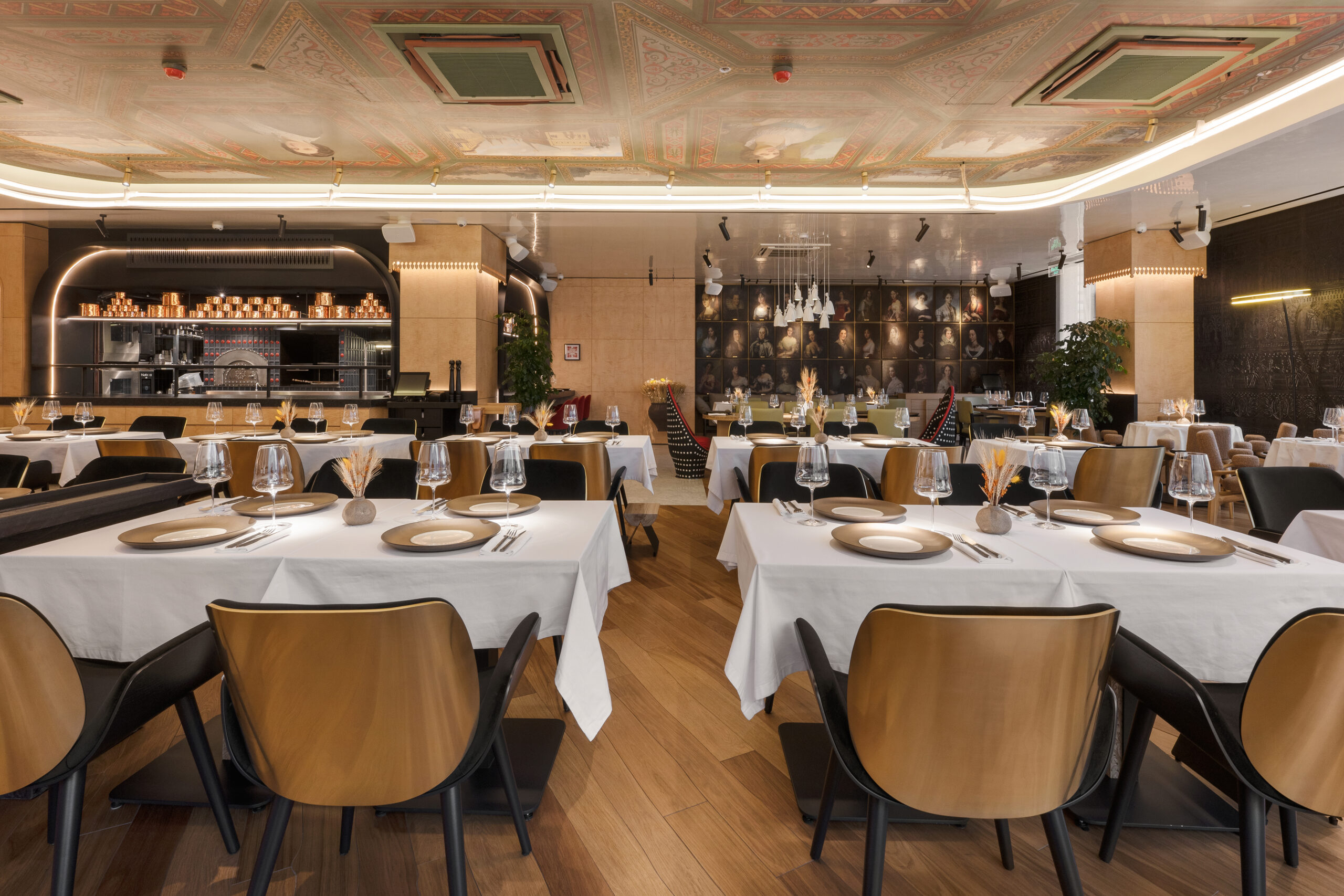
Opened in 1913, Savoy is one of Moscow’s oldest luxury restaurants, famous for its Art Nouveau interiors and historic atmosphere. The menu combines Russian classics with European fine dining.
Moskovskoe Nebo (Moscow Sky)
Moscow
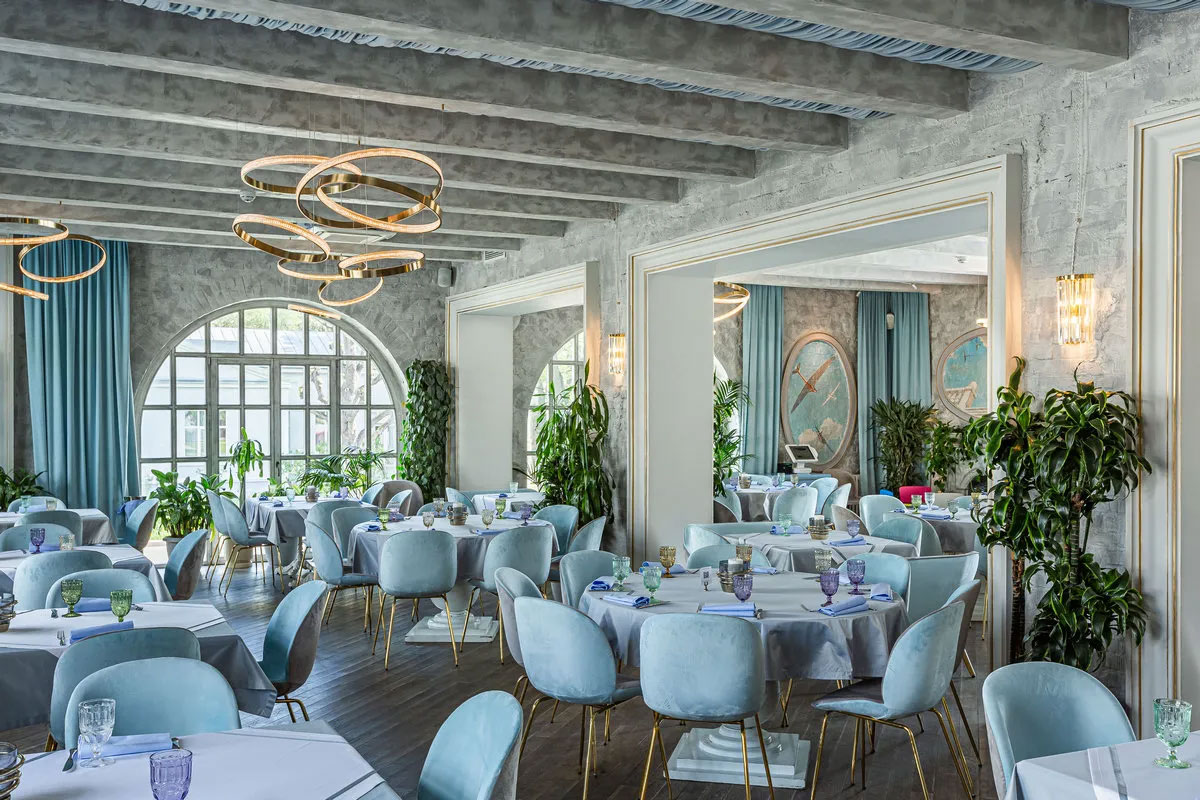
A restaurant inside a historic VDNKh pavilion. Soviet cuisine in a contemporary reading. The interior: white halls, pale blue textile draped from the ceiling, socialist realist frescoes on the walls. Pike cutlets, Olivier salad with beef pastrami. Familiar names, unexpected contents — that is exactly how this place works.
Matryoshka
Moscow
Matryoshka offers traditional Russian cuisine inspired by recipes from the late 19th and early 20th centuries. Set on the banks of the Moskva River, it combines elegant interiors with authentic flavors.
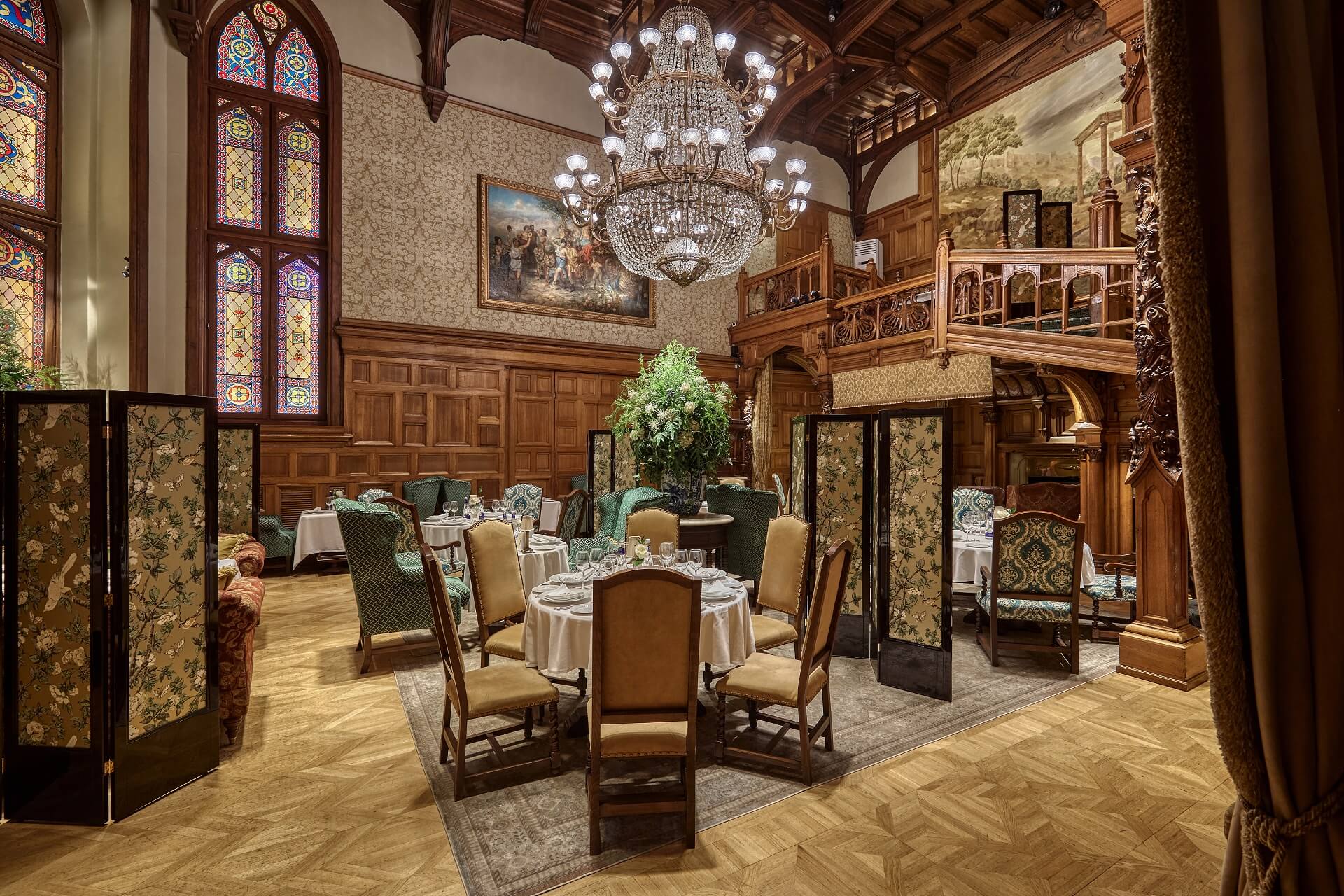
CDL (Central House of Writers)
Moscow
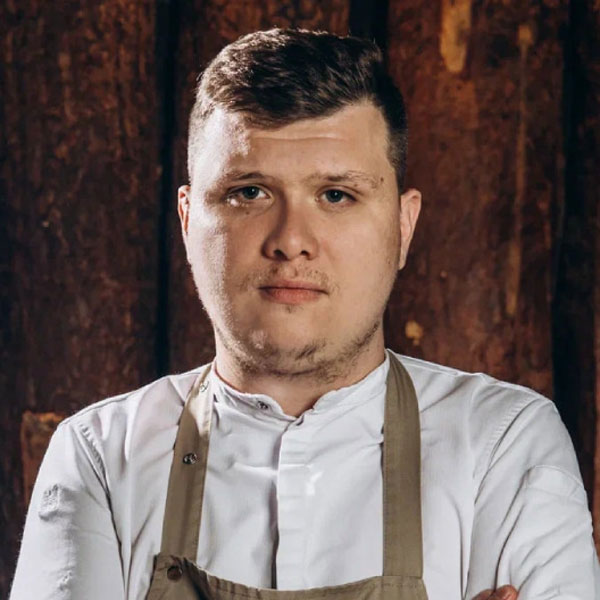
A grand restaurant at the Central House of Writers on Povarskaya Street — a historical, architectural, and gastronomic landmark of the city. The kitchen serves lavish Russian cuisine, sometimes in an author’s interpretation by Chef Fyodor Verin. Classic beef stroganoff or Pozharsky cutlets sit harmoniously alongside sorrel shchi with pastrami.
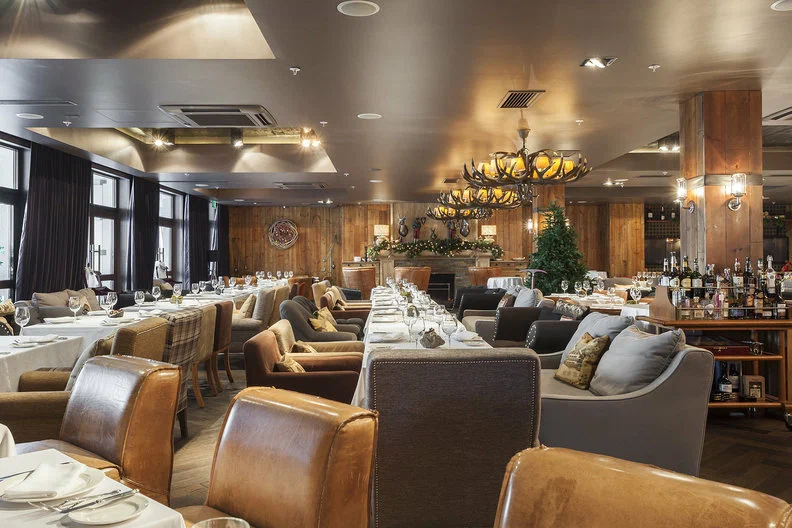
Red Fox
Sochi
An alpine restaurant on Rosa Khutor with panoramic mountain views, where the cozy interior of a mountain chalet meets eclectic cuisine. The menu features American burgers, Caucasian baked goods, grilled dishes, and everything that world-class ski resorts are known for. A wide selection of craft beer and mountain beverages complements the experience.
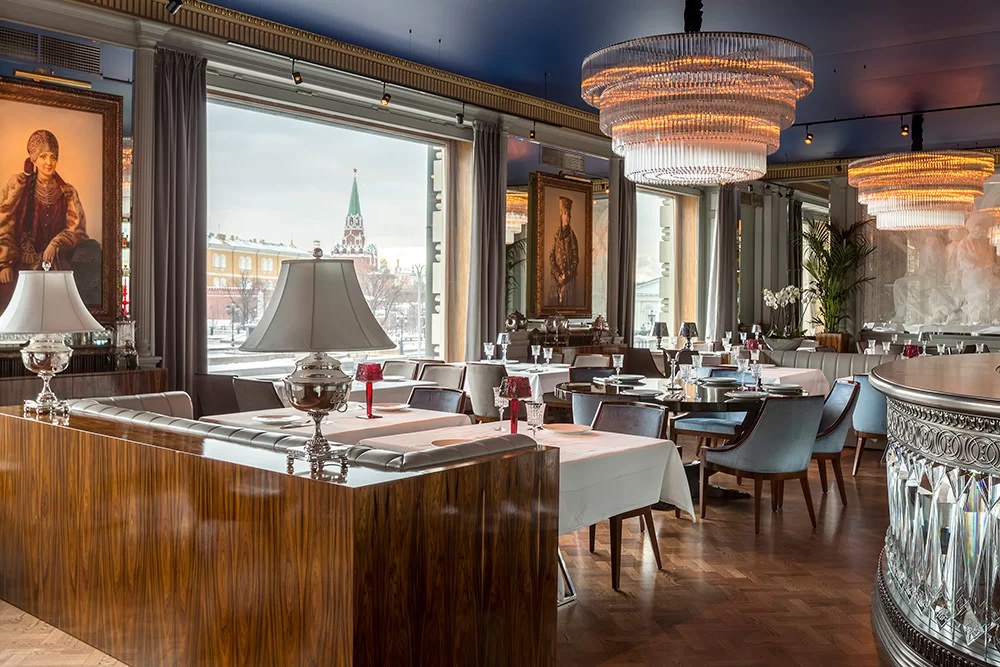
Beluga
Moscow
Beluga celebrates Russian gastronomy with an emphasis on premium seafood, caviar, and traditional delicacies presented in a contemporary style. Located next to Red Square, it offers one of Moscow’s finest dining experiences.
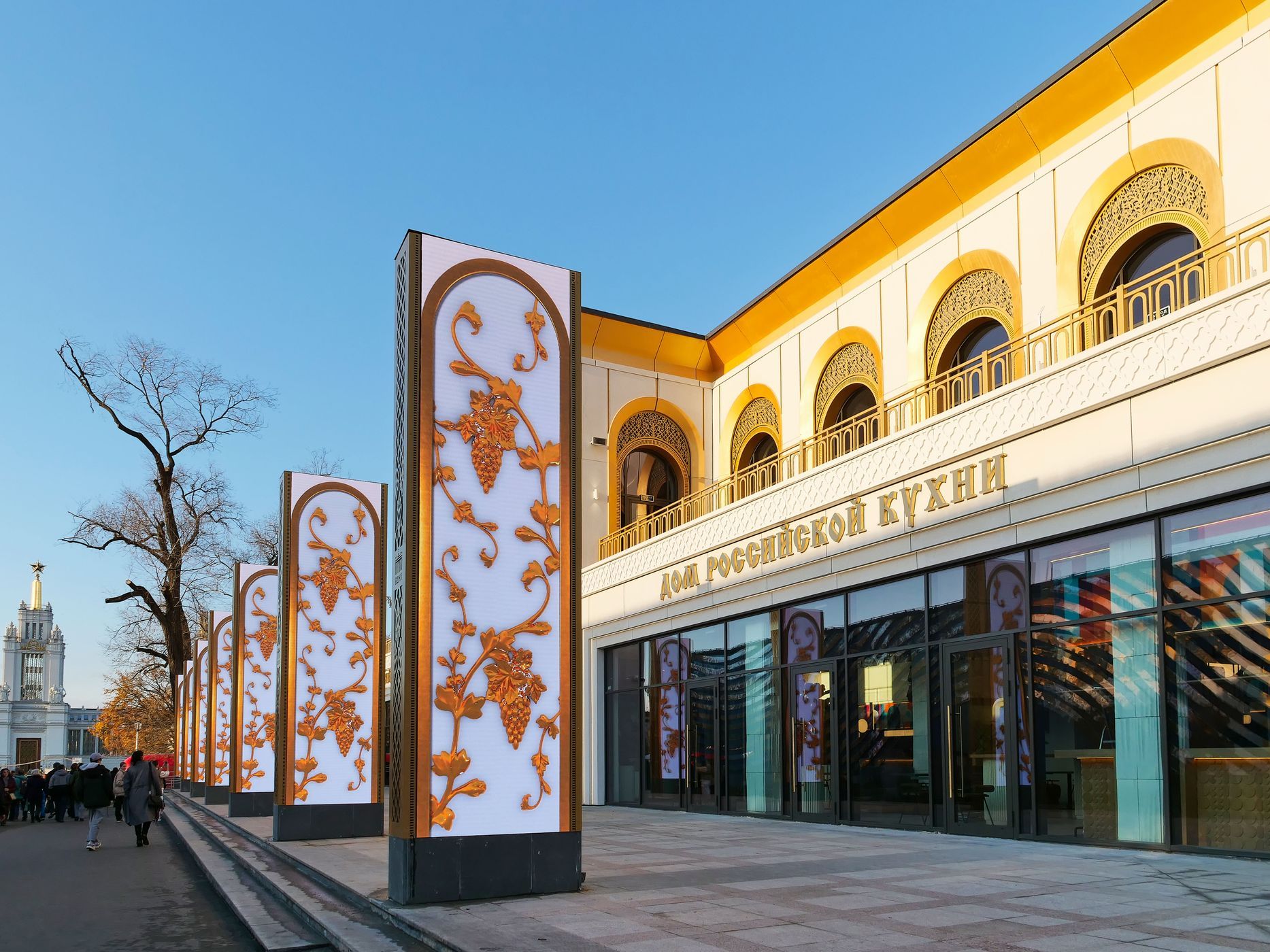
Dom Rossiyskoy Kukhni (House of Russian Cuisine)
Moscow
A food hall on the VDNKh grounds. 15 counters of regional cuisine from Kamchatka to Kaliningrad under one roof, cooking masterclasses and tastings throughout the day. A rare format: the gastronomy that usually takes a month of travel across the country — covered in a single lunch.
Ruski
Moscow
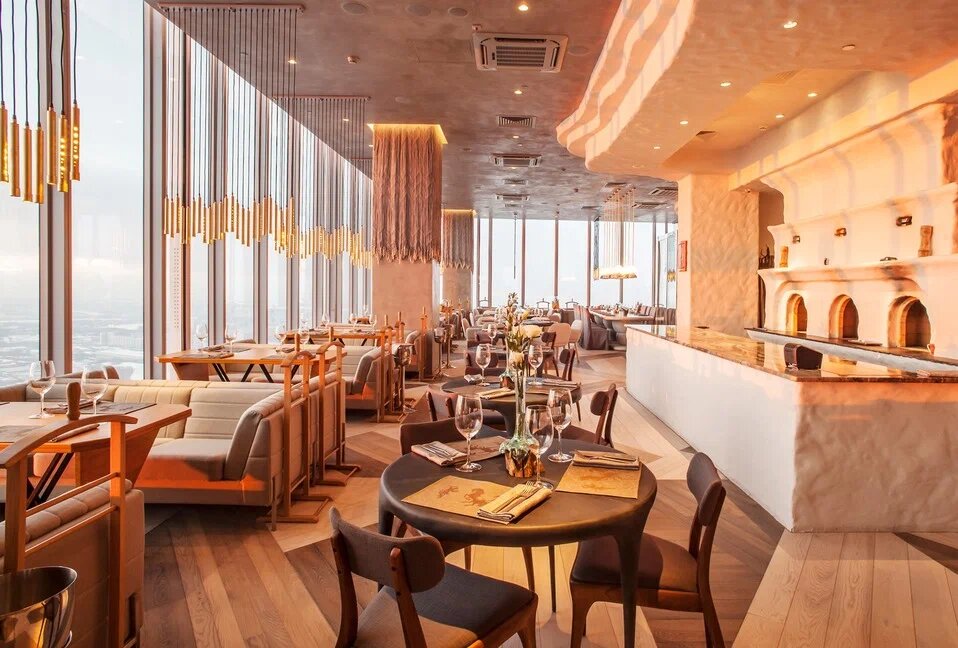
On the 85th floor of OKO Tower stands a Russian wood-fired oven. Eight meters of whitewashed clay — inside a skyscraper, above the city. The panoramic restaurant Ruski — Europe’s highest restaurant — builds its menu around it: venison dumplings, Volga fish pies, slow-cooked cabbage soup. The entire floor is floor-to-ceiling glass — the city below, the sky alongside. Next door: Ice Bar at −15°C, real fur coats, beluga caviar, a bar counter carved from ice blocks — the world’s highest ice bar. The cold is real. So is the caviar.
Selfie
Moscow
A Michelin-starred restaurant showcasing modern Russian cuisine through seasonal local ingredients and refined contemporary techniques. An excellent choice for travelers looking to experience Russia’s gastronomic scene at its highest level.
Tugan Avylym
Kazan
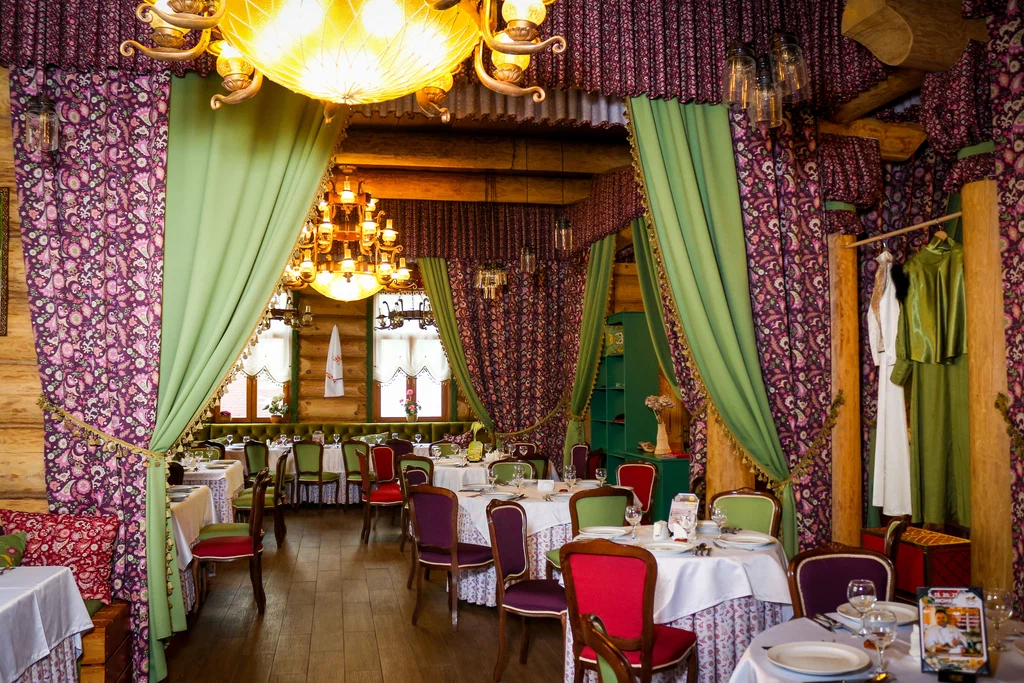
Set within a charming complex styled as a traditional Tatar village, Tugan Avylym offers an immersive introduction to the region’s cuisine and culture. Classic national dishes, wooden architecture, and authentic interiors create one of Kazan’s most distinctive dining experiences.
Palkin
Saint-Petersburg
One of St. Petersburg’s oldest restaurant addresses. The establishment’s history dates back to 1785, and in the 19th century, the restaurant on Nevsky Prospekt became a meeting place for the city’s elite, writers, and artists. Today, Palkin continues the tradition of grand Russian cuisine: sturgeon, sterlet, caviar, game, rastegai pies, kulebyaka pies, and dishes inspired by pre-revolutionary restaurant traditions. The interiors feature stucco work, mirrors, and crystal, evoking 19th-century St. Petersburg.
Uhvat
Moscow
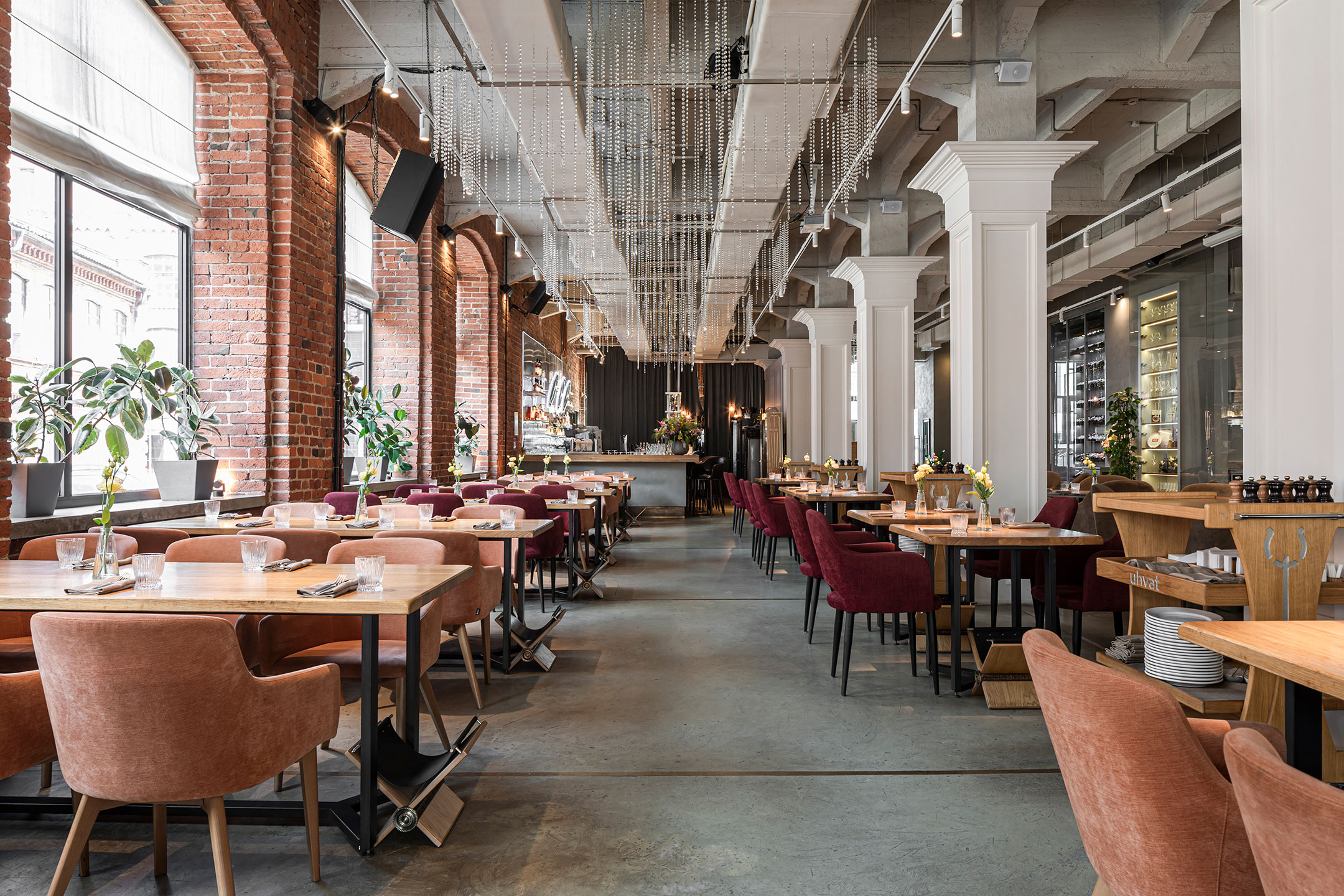
A contemporary restaurant inspired by traditional Russian oven cooking, where many dishes are prepared using classic slow-cooking techniques. The menu celebrates authentic Russian flavors with a modern presentation.
Manul
Moscow
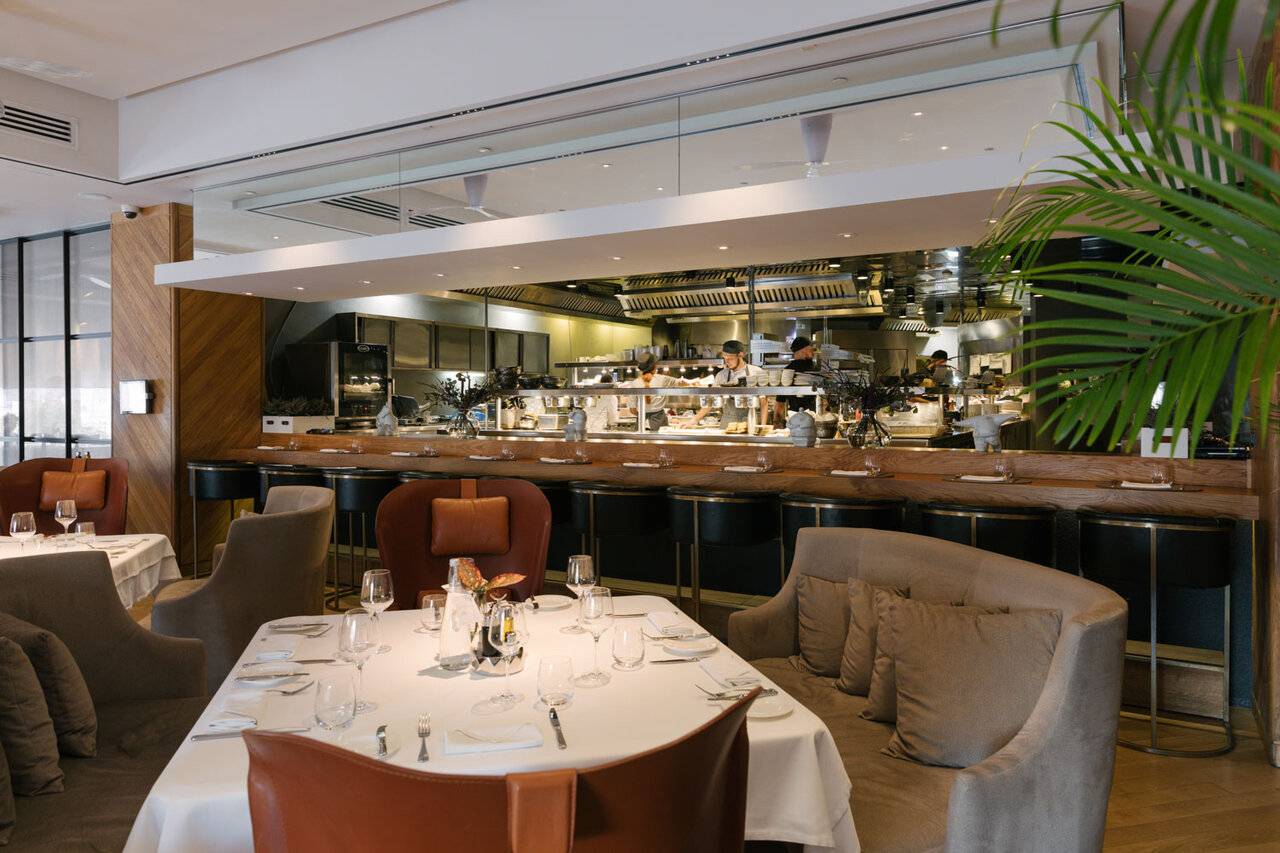
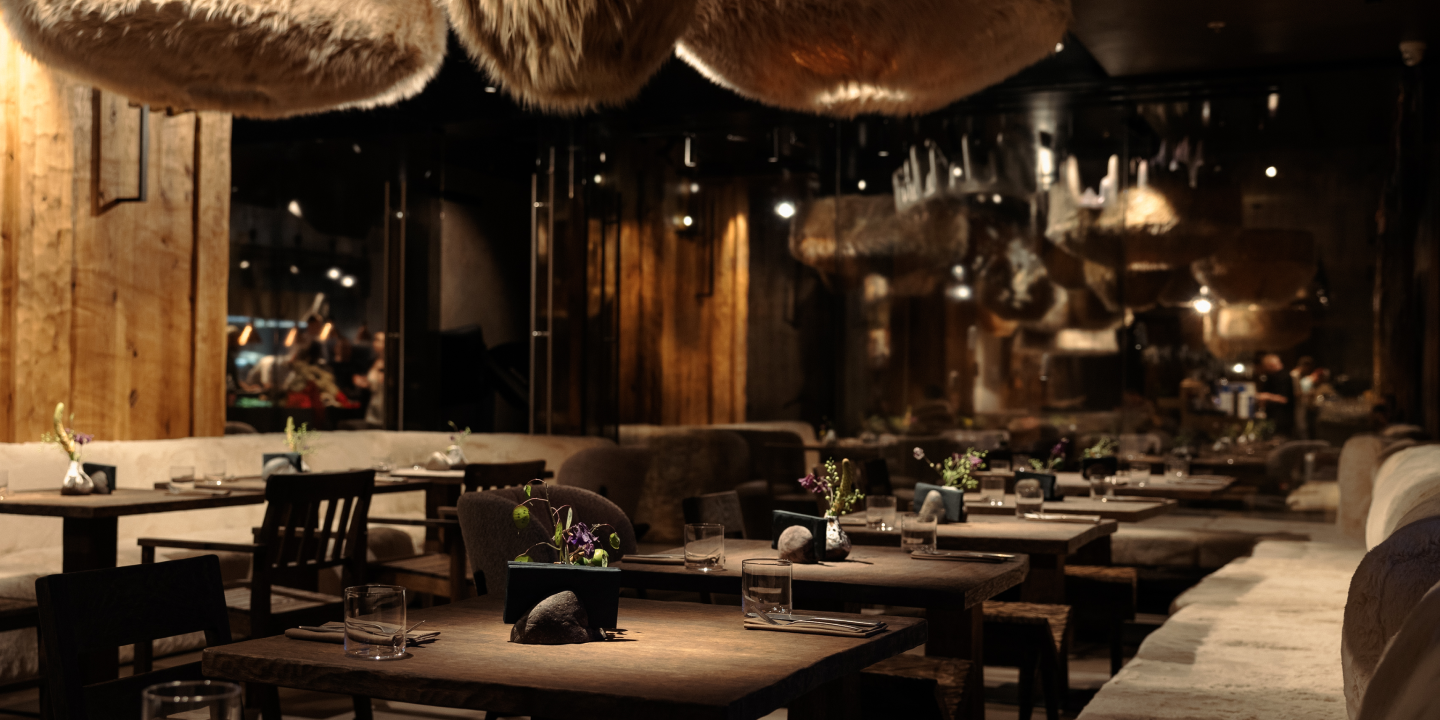
Manul is built around the cuisines of Siberian peoples, with a menu developed from recipes gathered on expeditions to Khakassia, Tuva, Altai, and the Yenisei region. Dishes include stroganina (thin-sliced frozen raw fish), muksun and chir, taiga venison, Khakass lamb, and khuzhuur pies, prepared in an open kitchen with a wood-fired oven. It sits in the Seasons gallery on Okhotny Ryad, a short walk from Red Square.
Mashenka
Moscow
A charming restaurant dedicated to traditional Russian home-style cuisine, offering classic recipes prepared with high-quality seasonal ingredients. The cozy interior creates an authentic and welcoming atmosphere.