Blini

Blini occupy a special place in Russian cuisine and festive traditions, above all during Maslenitsa. For fillings, thin pancakes are usually used: meat, cottage cheese, mushrooms, or fish are wrapped in them, then folded into an envelope or rolled into a tube. As early as the beginning of the 19th century, pancakes with cottage cheese filling were prepared, which after folding were fried in oil. Today, sweet and savory variants are served for breakfast, as an appetizer, or as a standalone dish.

Blini (singular: blin) are thin Russian pancakes similar to crepes. They are usually round, soft, and can be slightly thicker than French crepes if yeast is used. Blini have been part of Russian cuisine for more than a thousand years, with roots in very old Slavic cooking traditions. Since pagan times they have been connected with Maslenitsa, the spring one-week festival that symbolizes the end of winter. Their round, golden shape made them a symbol of warmth, life and harvest. During Maslenitsa blini are eaten every day and can be found in every Russian cafe and restaurant. For the rest of the year, it’s commonly a breakfast dish. Traditional Russian blini are served with both savory and sweet fillings and toppings. The classic savory options include sour cream, caviar, smoked salmon, mushrooms, meat. Sweet versions are commonly filled or topped with jam, chocolate, berries or cottage cheese with raisins.

Originally, blini were prepared without fillings, as a standalone dish. Later, people began wrapping various fillings inside them—ranging from berries and vegetables to meat and fish. The batter itself can also vary greatly, as there are countless recipes. However, it should definitely be slightly sweet and airy
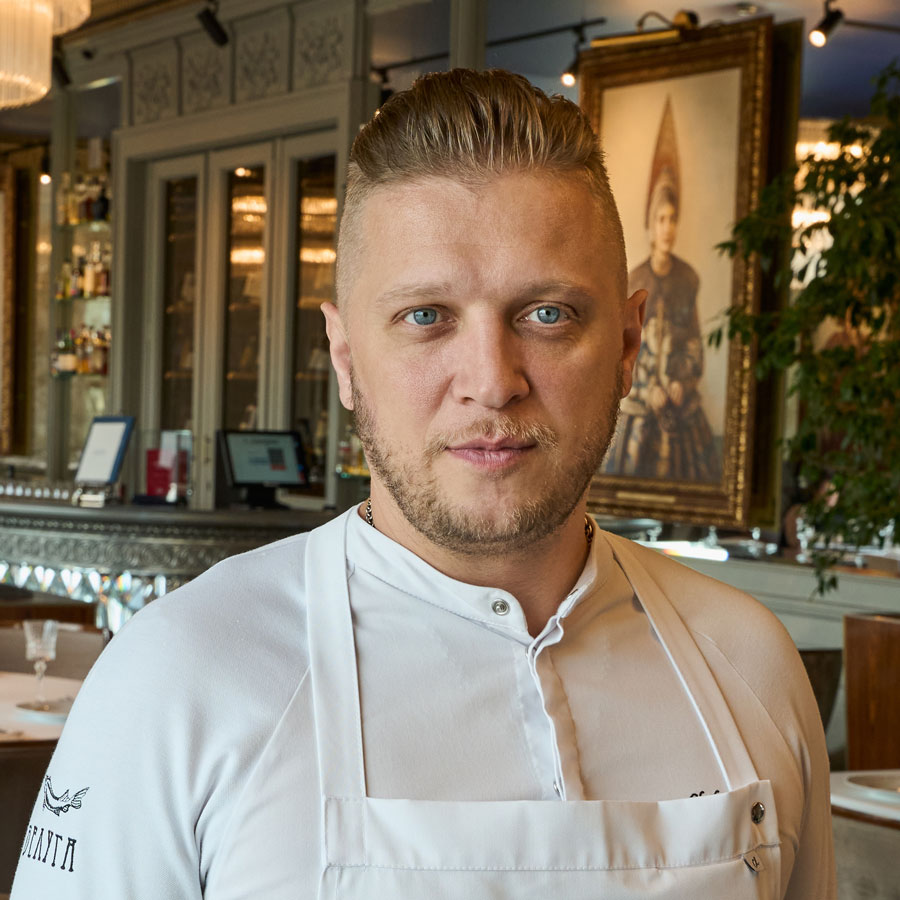
Roman Chistov
represented by
Roman Chistov
cooking
time
60 min
difficulty
level
Easy
key
ingredients
9
Blini Blini

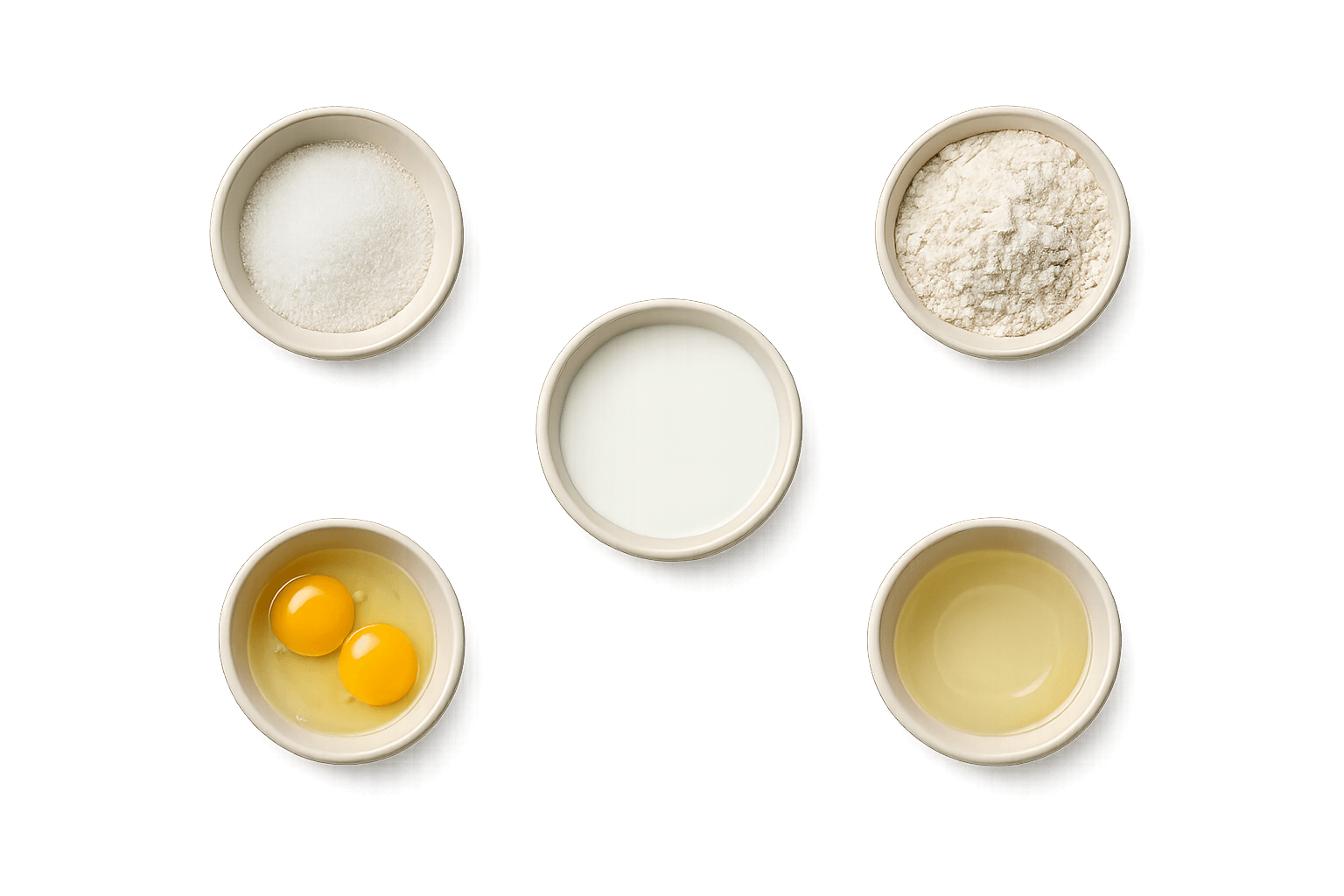
Ingredients

milk
800  g
water
350  g
dry yeast
5  g
salt
5  g
sugar
20  g
wheat flour
450  g
vegetable oil
20  g
eggs (use about 110 g of beaten egg mixture)
2-3  pcs
vanilla extract OR vanilla sugar (not vanilla flavoring) - used only for sweet versions
 
Sweet cottage cheese filling with citrus zest and vanilla
сottage cheese (5-9% fat)
400  g
sour cream 20-30%
60  g
granulated sugar
50  g
melted butter
20  g
pure vanilla extract 1 ml or vanilla sugar
5  g
grated lemon zest
5  g
raisins (optional)
(soaked in warm water, then drained)
30 g
Savory meat filling for bliny
ground beef
450  g
onion (finely diced)
150  g
butter or vegetable oil
30  g
salt
6  g
black pepper
2  g
water (optional, for juiciness)
40  g
Portions: 25 blini

Recipe

1.
Heat milk and water together to about 40 °C.
2.
Add dry yeast, salt, sugar and flour; mix until smooth.
3.
Add vegetable oil and 110 g of beaten egg; mix well. Add vanilla extract or vanilla sugar – if using.
4.
Stir with a hand mixer until smooth, then let the batter rest in a warm place for about 30 minutes.
5.
Heat a non‑stick pan over medium‑high heat, lightly oil if needed. Pour a ladle of batter onto the pan and cook until bubbles form and the edges start to dry; flip and cook the second side until golden.
6.
Fillings and toppings for blini

In Russia they are often served plain with butter, sour cream, caviar, or smoked fish. A hot blin topped with sour cream and a spoon of black caviar is not only a luxurious treat but unbeatable Russian classics of all times. Usual sweet toppings are melted chocolate, fruit and berry jams or fresh berries with vanilla sauce.

A stuffed version rolled or folded and then pan‑fried or baked is often called blinchiki. So if you add one of the fillings to blin it will immediately become blinchik.
7.
Sweet cottage cheese filling with citrus zest and vanilla
8.
Place cottage cheese, sour cream, sugar, beaten egg and melted butter in a bowl. Whip with a hand mixer or whisk until smooth and creamy. Add vanilla extract (or vanilla sugar) and grated citrus zest; mix well. If using raisins or dried fruit, add and gently fold in. Taste and adjust sugar or vanilla if needed. Use it to fill warm bliny immediately, or chill briefly if you want it a bit firmer. Put a couple of tablespoons of filling on a blin and roll it.
9.
Savory meat filling for bliny
10.
Melt butter or heat oil in a pan over medium heat. Add diced onion and cook until soft and lightly golden, about 3-5 minutes. Add ground meat; break it up and fry until fully cooked and browned, about 8-10 minutes. Season with salt and pepper. If you want a juicier filling, add water and cook 1-2 minutes more. Let the filling cool slightly, then use it to fill bliny and fold into envelopes or triangles.

where
to try

DR. Zhivago
DR. Zhivago
Moscow
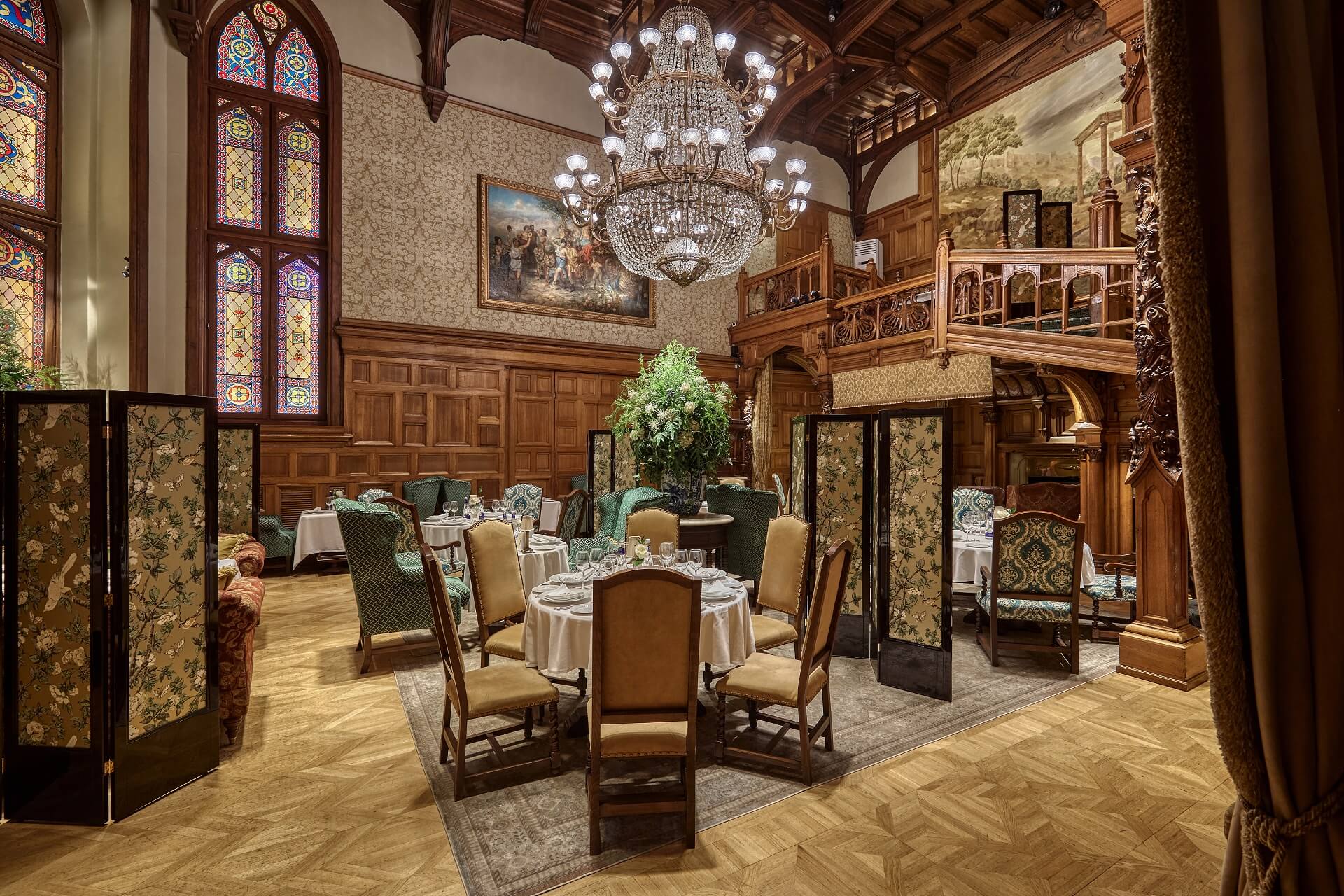
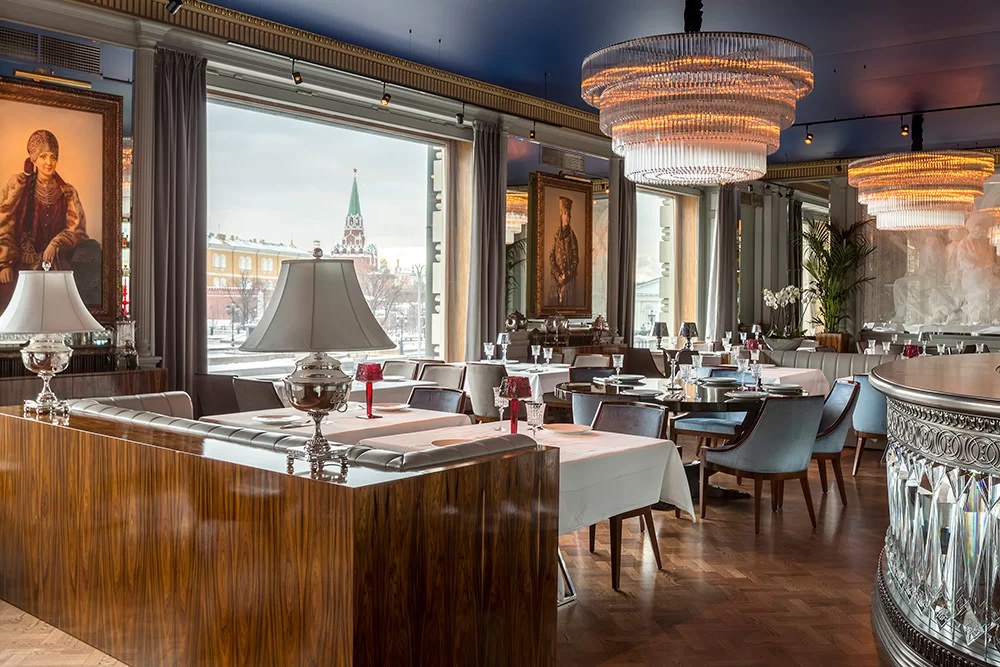
Dr. Zhivago is a grand café on the ground floor of the historic Hotel National, with views toward the Kremlin and Manege Square, and a recommendation from the Michelin Guide. The main hall displays reproductions of major Soviet-era paintings — Malevich, Petrov-Vodkin, Deineka, Samokhvalov — while an inner room takes its black-lacquer, gold-ceilinged look from Palekh lacquer boxes. The menu reworks Russian classics such as pozharsky cutlets, sturgeon aspic, and caviar service, backed by a vodka bar of polugar, samogon, and infused spirits.
Kultura Vstrechi
Kultura Vstrechi
Moscow
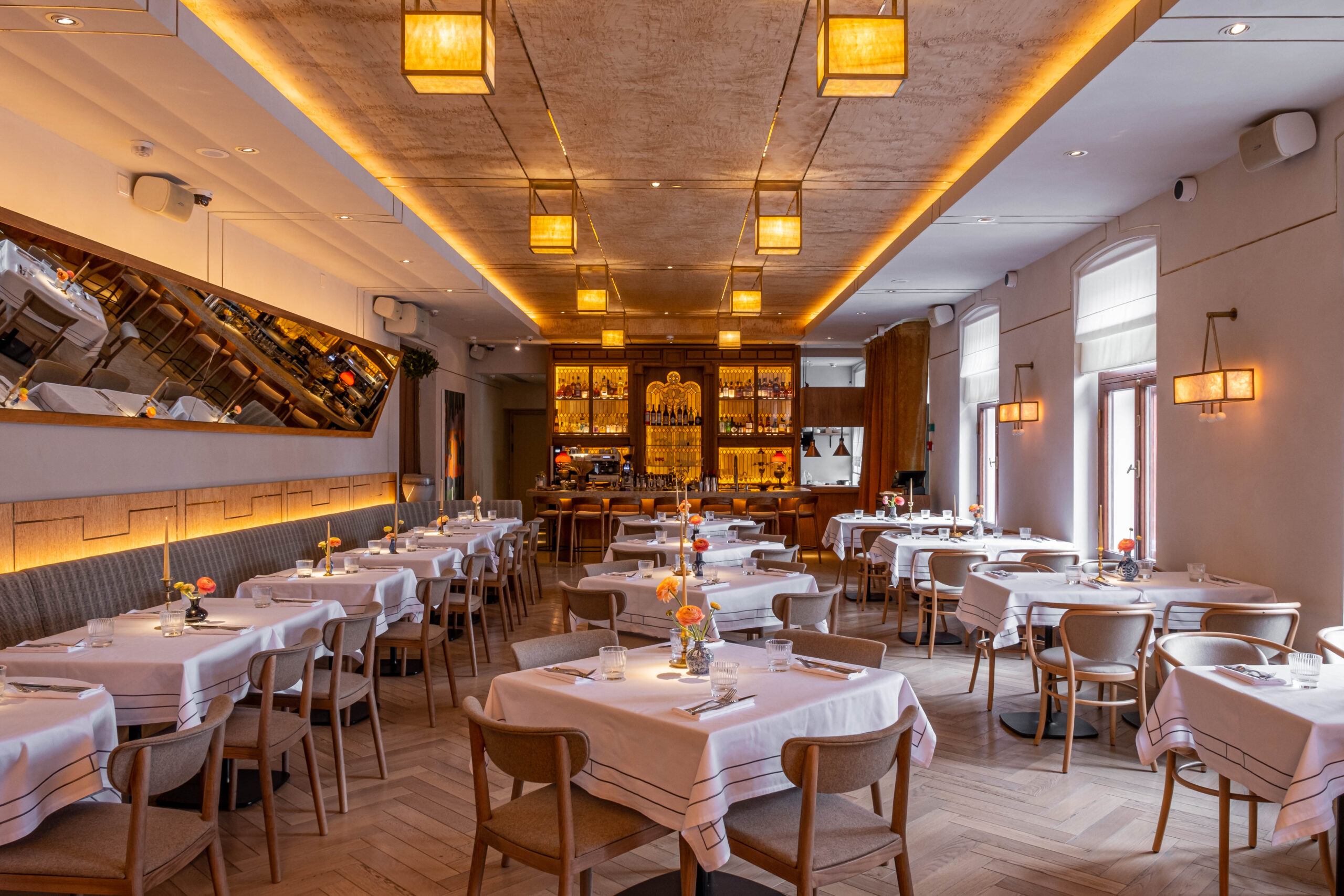
An elegant restaurant with a warm, welcoming atmosphere that blends contemporary cuisine with a carefully curated wine and cocktail program. It is designed for relaxed gatherings, long conversations, and memorable dining experiences.
CDL (Central House of Writers)
Moscow
A grand restaurant at the Central House of Writers on Povarskaya Street — a historical, architectural, and gastronomic landmark of the city. The kitchen serves lavish Russian cuisine, sometimes in an author’s interpretation by Chef Fyodor Verin. Classic beef stroganoff or Pozharsky cutlets sit harmoniously alongside sorrel shchi with pastrami.
Dom Rossiyskoy Kukhni (House of Russian Cuisine)
Moscow
A food hall on the VDNKh grounds. 15 counters of regional cuisine from Kamchatka to Kaliningrad under one roof, cooking masterclasses and tastings throughout the day. A rare format: the gastronomy that usually takes a month of travel across the country — covered in a single lunch.
Gorynych
Gorynych
Moscow
A family restaurant from the WRF gastronomic holding, where the main focus is on fire — hence the associative name. The dishes are prepared in a wood-fired oven, a Josper grill, and a smoker. Bread is baked with wild starter, pizza is cooked in a powerful wood-burning oven, and alongside it, dry-aged steaks are brought to perfection, along with the signature giant «Gorynych» cutlet.
#SiberiaSiberia
#SiberiaSiberia
Moscow
A restaurant at the Azimut Hotel on Smolenskaya Street, where Siberia is assembled from specific products and dishes: stroganina made from muksun and sturgeon, pelmeni, salted mushrooms, venison, river fish, game, and wild Siberian herbs. The chef is Evgeny Kuznetsov, and most suppliers are Siberian producers.
Matryoshka
Matryoshka
Moscow
Matryoshka offers traditional Russian cuisine inspired by recipes from the late 19th and early 20th centuries. Set on the banks of the Moskva River, it combines elegant interiors with authentic flavors.
Shalyapin
Shalyapin
Moscow
A refined cocktail bar at the Metropol Hotel in Teatralny Proyezd. Beyond its intricate drink menu, you can often find guest shifts and alcohol sets by touring stars. The experience is enhanced by a cultural programme: occasionally, you can catch live performances on a Bechstein grand piano, vinyl DJ sets, or immersive theatrical productions.
White rabbit
White rabbit
Moscow
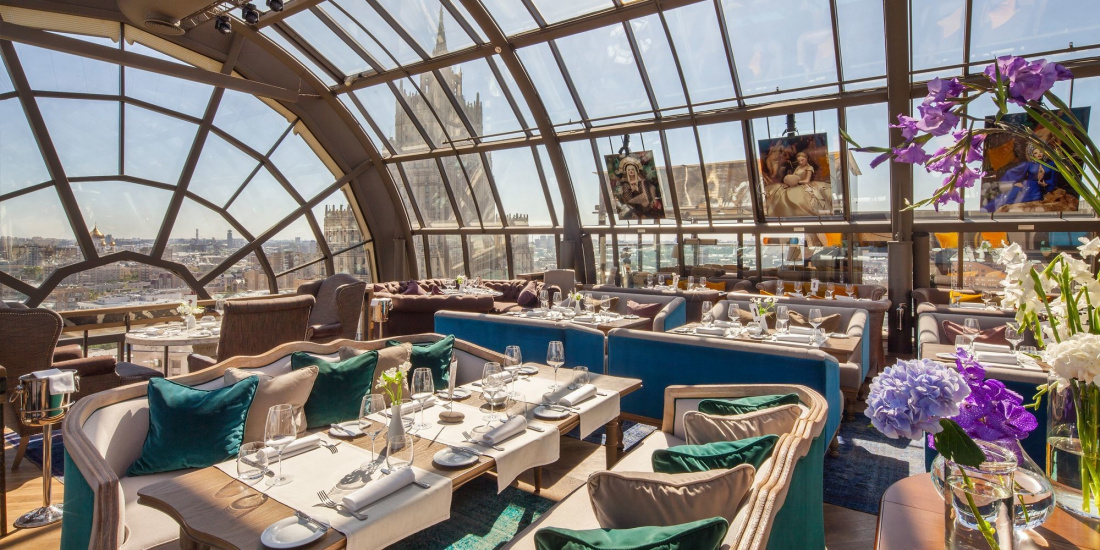
One of Moscow’s most celebrated fine dining restaurants, famous for its panoramic city views and innovative interpretation of Russian cuisine. Chef Vladimir Mukhin has made White Rabbit an international gastronomic landmark.
Beluga
Beluga
Moscow
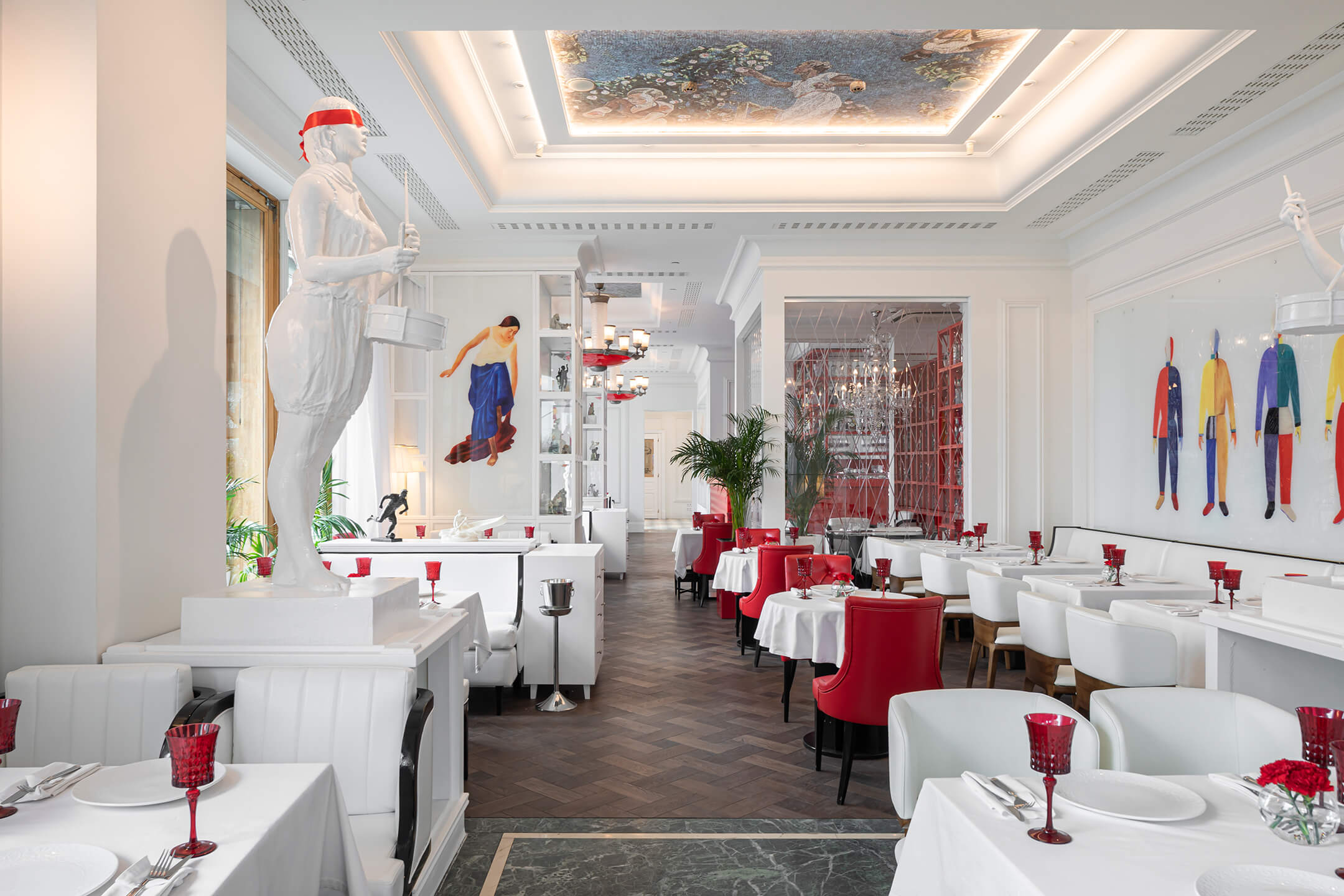
Beluga celebrates Russian gastronomy with an emphasis on premium seafood, caviar, and traditional delicacies presented in a contemporary style. Located next to Red Square, it offers one of Moscow’s finest dining experiences.
SAVOY
SAVOY
Moscow
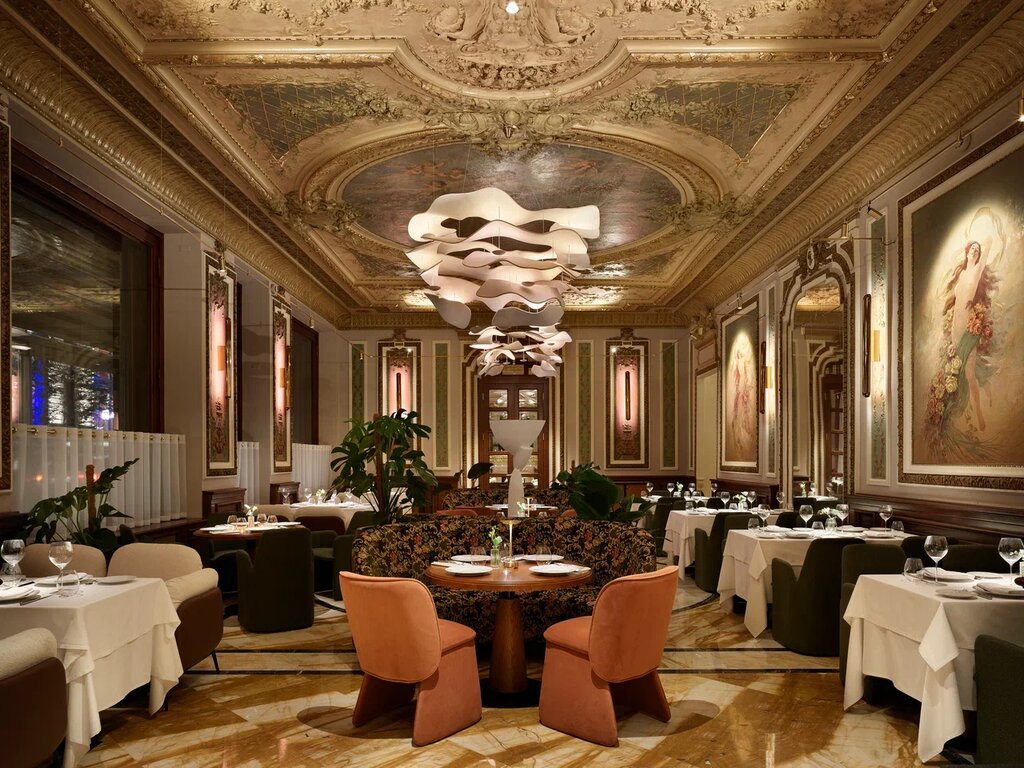
Opened in 1913, Savoy is one of Moscow’s oldest luxury restaurants, famous for its Art Nouveau interiors and historic atmosphere. The menu combines Russian classics with European fine dining.
Europe
Europe
Saint-Petersburg
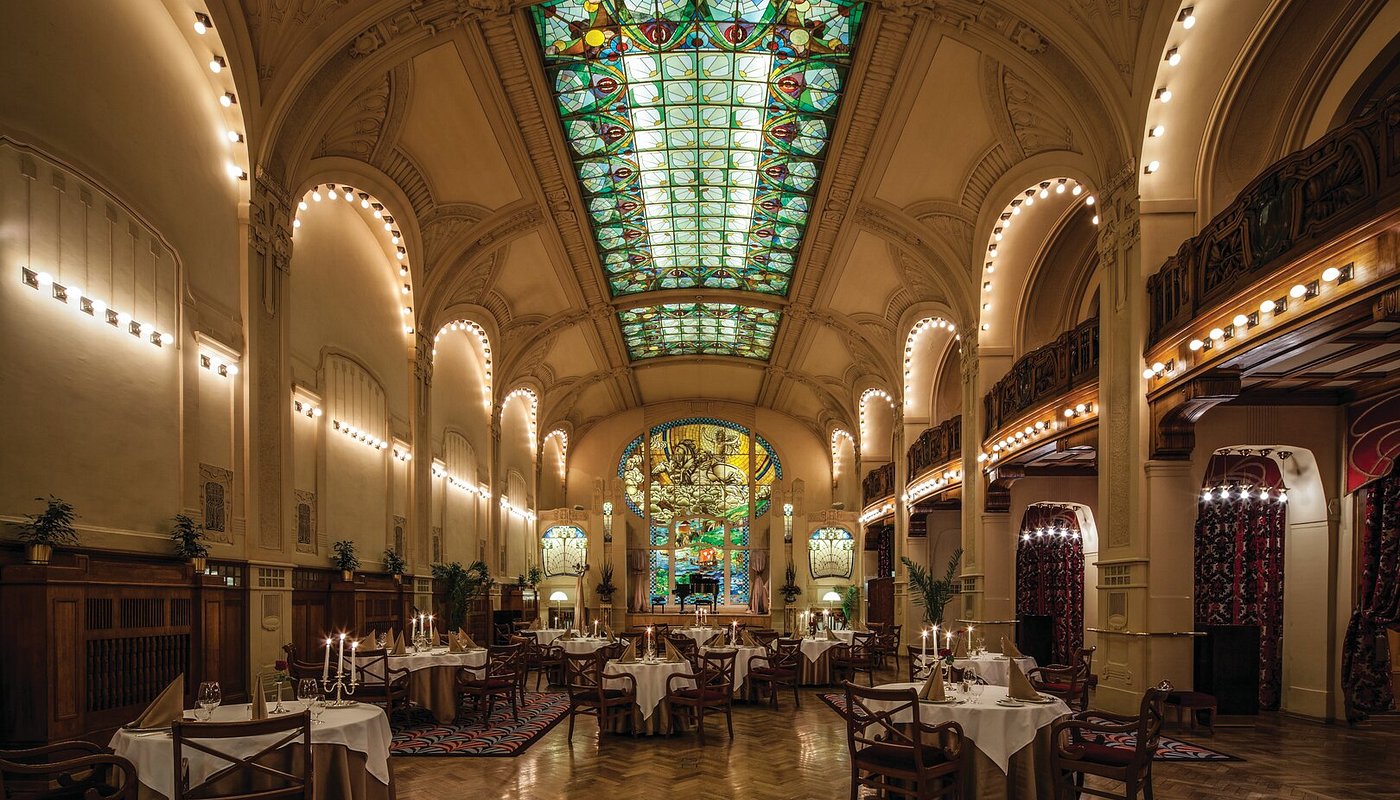
The historic restaurant of the Grand Hotel Europe, which opened in 1875 on Nevsky Prospekt. In the late 19th—early 20th centuries, the hotel was one of St. Petersburg’s premier addresses for aristocrats, diplomats, musicians, and writers. The restaurant retains its famous stained-glass ceiling, balconies, and Art Nouveau interiors from the early 20th century. The menu features Russian and European classics: caviar, fish and meat dishes, desserts, and traditional afternoon tea.
Niki
Niki
Moscow
A stylish modern Russian restaurant located in the iconic Khudozhestvenny Cinema. It offers creative interpretations of Russian classics in a sophisticated contemporary setting.

other recipes