Indigirka
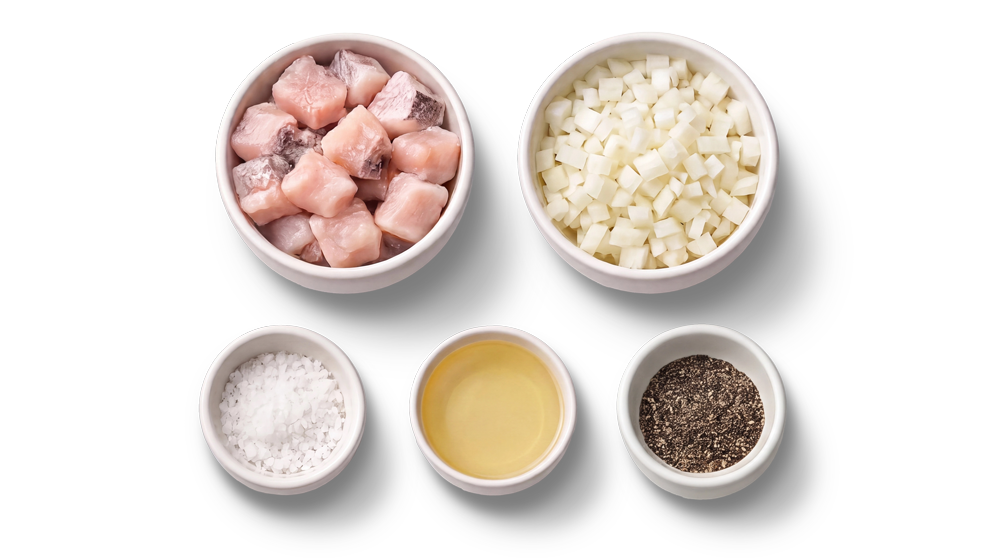
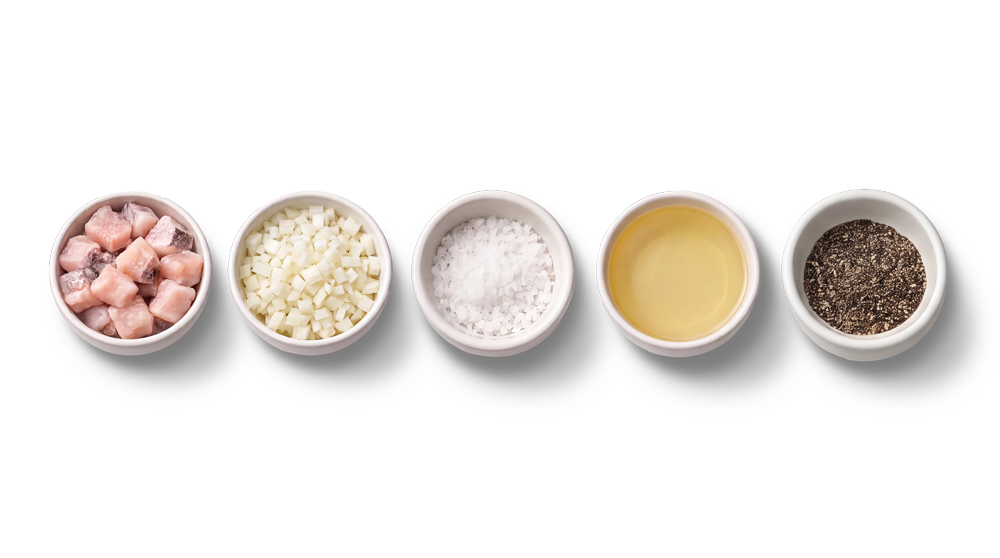
«Indigirka» is a cold fish appetizer that has become one of the gastronomic calling cards of Yakutia. The creation of its modern restaurant version is associated with the chef Innokenty Tarbakhov and the local tradition of eating raw fish — «siikei». Strongly chilled fish, usually chir or muksun, is cut into small cubes and combined with onion, salt, pepper, and vegetable oil. The dish received its name in honor of the Indigirka River, which flows into the East Siberian Sea.
Indigirka is a traditional Yakutian salad from Russia’s Sakha Republic, named after the Indigirka River. It’s prized for its simplicity and use of raw frozen fish like chir (broad whitefish), nelma, muksun or grayling. Yakutian chef Innokenty Tarbakhov is commonly credited with popularizing or developing the modern version of this salad. He began collecting and promoting local recipes and foods as early as the 1960s. Indigirka is based on an older Yakut dish called siikei (which means «5 minutes») — a quick fish hors d’oeuvre made from fresh whitefish. It’s typically garnished simply to let the fish shine: frozen fish cut into cubes is mixed with onion, salt, pepper, and oil, sometimes also with caviar and berries. It’s served on ice or in ice bowls and accompanied by a shot of iced vodka.
Indigirka and sugudai are the ultimate way to get to know Northern fish—because that’s how the locals eat it. Visit the region and see how it’s prepared and eaten there.
represented by
Nikolai Bobrov
cooking
time
40 min
difficulty
level
Easy
key
ingredients
4
Ingredients
white onions or shallots
150 gr
freshly ground black or white pepper and salt
to taste
Recipe
1.
Take fresh-frozen white fish fillet and leave it until it is easy to cut it into cubes.
2.
Then carefully place the cubes in a salad bowl, add thinly cubed onions (the onion cubes are mashed before mixing to make them release their juice), season with salt, pepper, and vegetable oil. Mix it up. Leave in a cool place for 20-30 minutes.
3.
Serve in a cool bowl or even ice bowl or board.
4.
Tips
Avoid any red and any oily fish. Source fish from trusted suppliers for sushi-grade quality to ensure safety when eaten raw-frozen.
5.
Substitutes for northern white fish available Worldwide:
Atlantic cod (Worldwide: Atlantic/North Sea) Lean whitefish; freezes crisply.
Pollock (North Atlantic/Pacific) Affordable, mild flavor.
Haddock (North Atlantic) Similar to cod; common in Europe/US.
Hake (Atlantic/Mediterranean) Firm texture; used in Russia.
Whiting (North Sea/Atlantic) Delicate white flesh.
where
to try
#SiberiaSiberia
Moscow
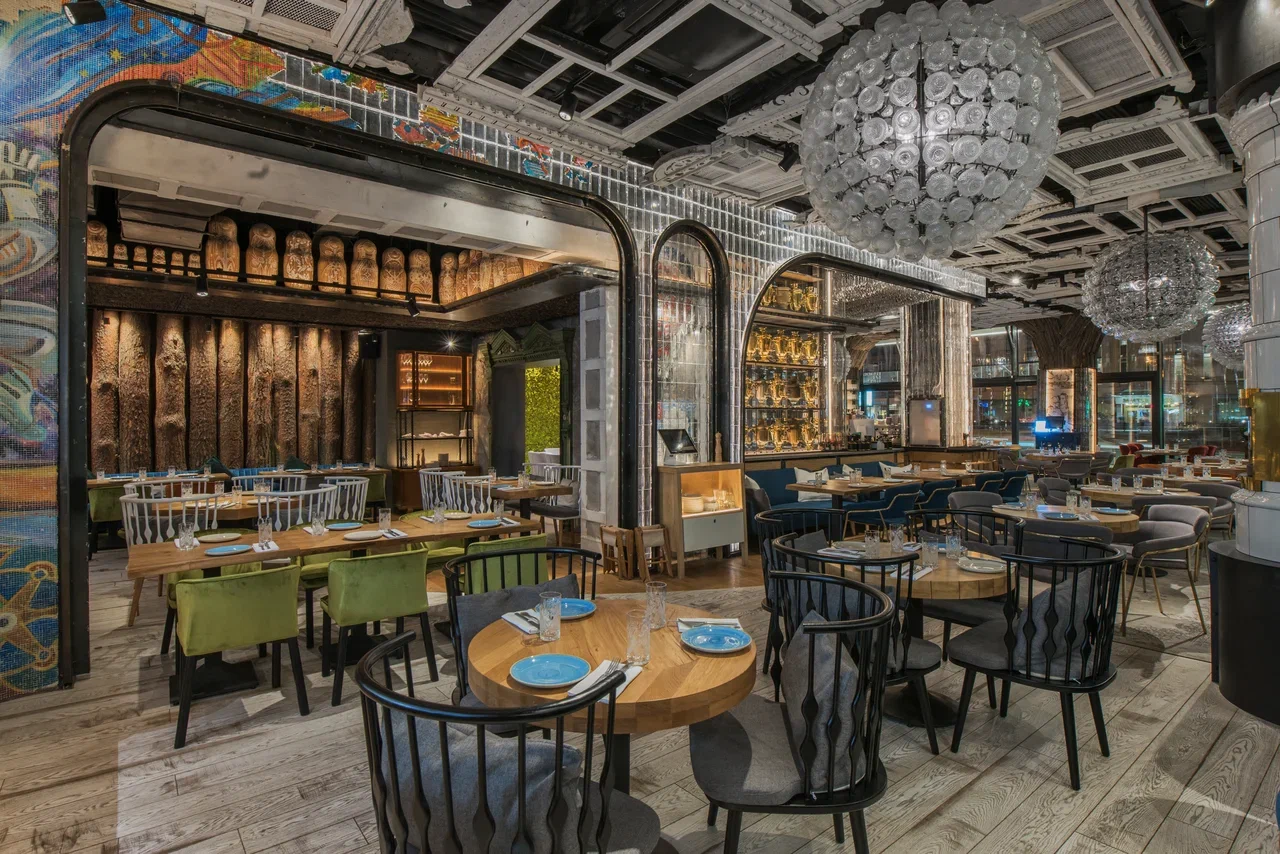
A restaurant at the Azimut Hotel on Smolenskaya Street, where Siberia is assembled from specific products and dishes: stroganina made from muksun and sturgeon, pelmeni, salted mushrooms, venison, river fish, game, and wild Siberian herbs. The chef is Evgeny Kuznetsov, and most suppliers are Siberian producers.
Tugan Avylym
Kazan
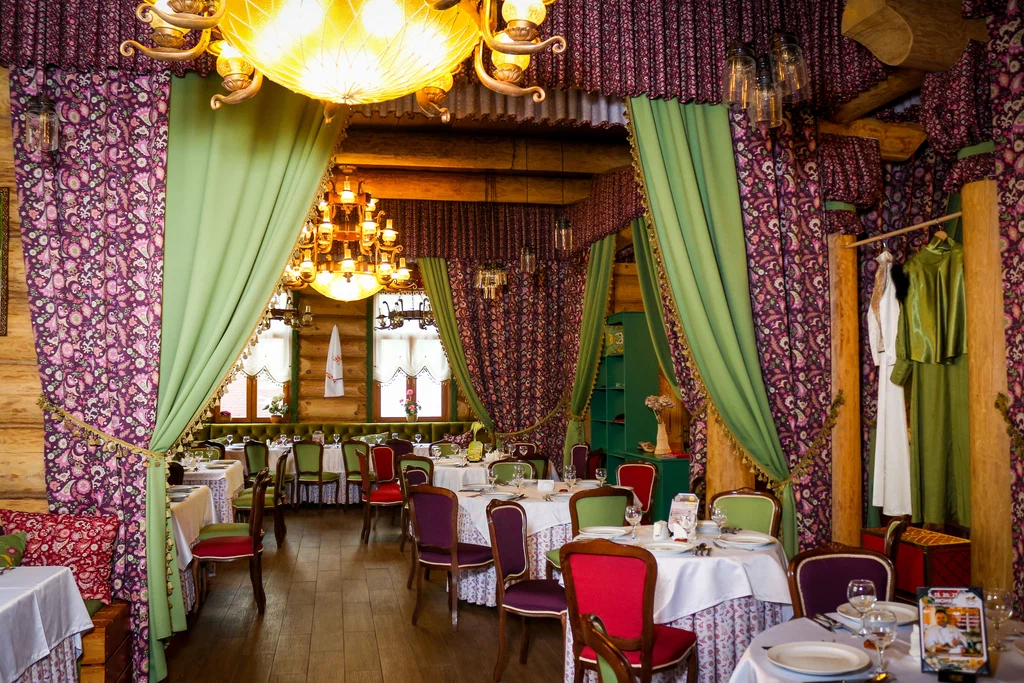
Set within a charming complex styled as a traditional Tatar village, Tugan Avylym offers an immersive introduction to the region’s cuisine and culture. Classic national dishes, wooden architecture, and authentic interiors create one of Kazan’s most distinctive dining experiences.
Expeditsiya
Moscow
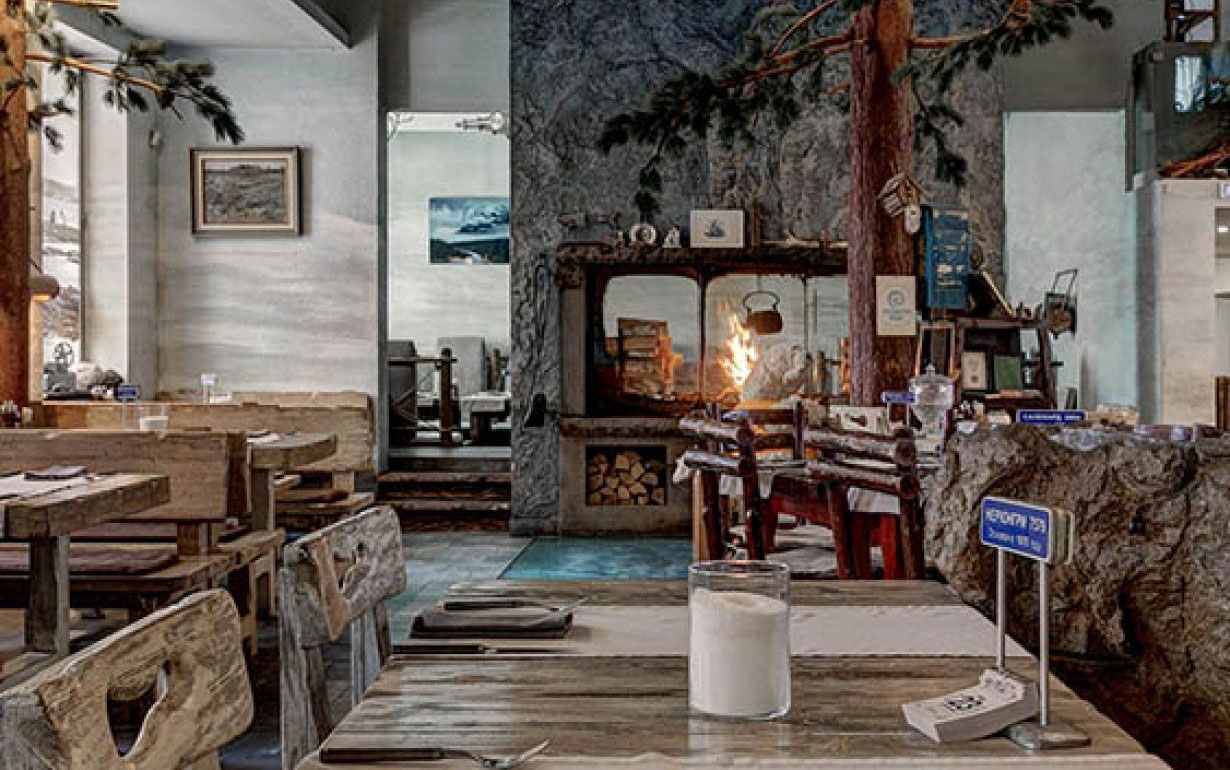
A long-standing restaurant of Northern cuisine, located in Pevchesky Lane. The menu features dishes and ingredients from the Russian North, while the space itself is divided into several themed areas: «Bivouac,» the Fireplace Hall, a terrace, and «Wintering.» It’s an ideal spot for those who want to discover how traditional Russian cuisine transforms when it moves from expedition conditions to a metropolitan restaurant kitchen.
Dom Rossiyskoy Kukhni (House of Russian Cuisine)
Moscow
A food hall on the VDNKh grounds. 15 counters of regional cuisine from Kamchatka to Kaliningrad under one roof, cooking masterclasses and tastings throughout the day. A rare format: the gastronomy that usually takes a month of travel across the country — covered in a single lunch.